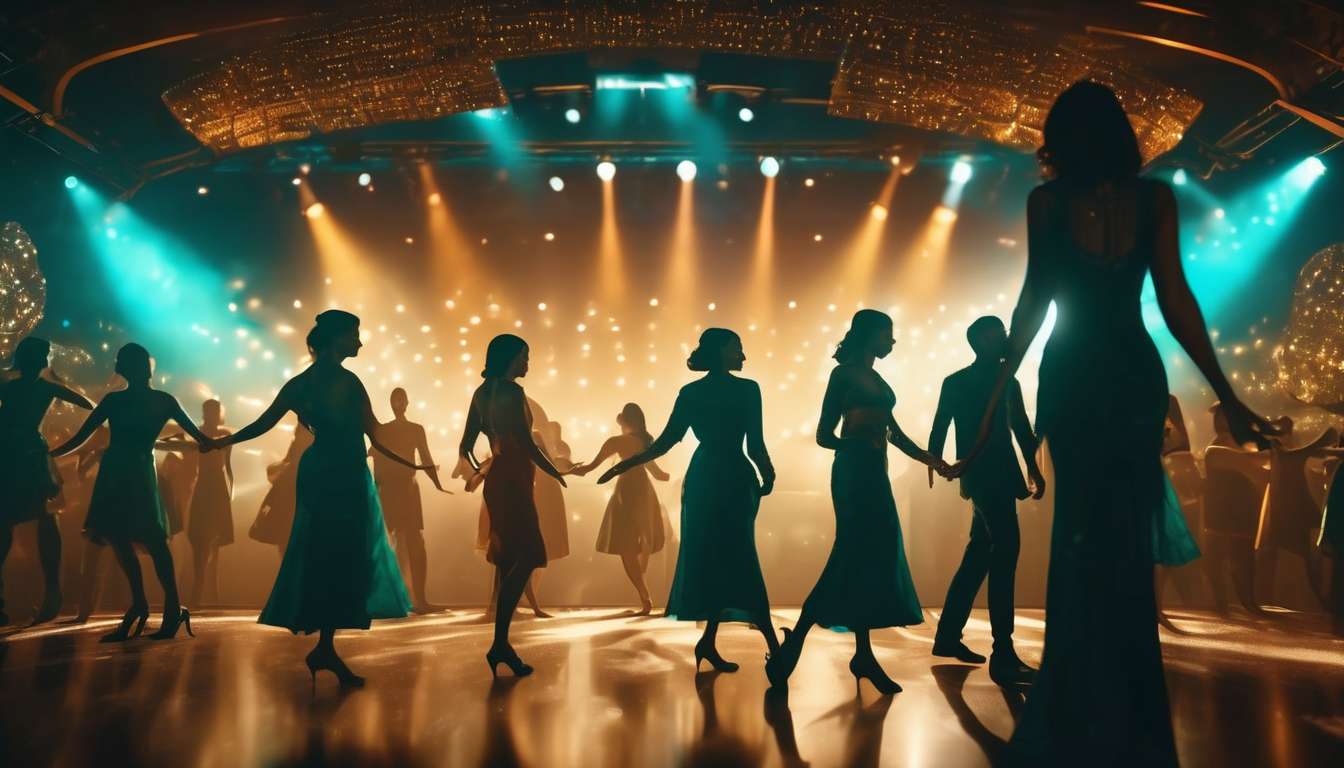

A dancer once likened the stage to a safety net: taut, visible, and paradoxically fragile.
We write from within that tension, observing how exotic dancing businesses are shedding old stigmas to prioritize worker wellbeing.
Managers are introducing clearer shift policies, venues are offering mental health resources, and communities are pushing for harm-reduction training.
These changes are not merely cosmetic; they realign power, compensation, and respect in workplaces long shaped by informality and risk.
As researchers, advocates, and industry participants, we trace how policy shifts, peer-led initiatives, and market pressures converge to change daily realities for performers.
We consider financial stability alongside bodily autonomy, workplace culture alongside legal protections.
Our aim is to:
- Map the transformations taking place.
- Highlight persistent gaps.
- Center voices often excluded from policy debates.
By doing so, we hope to contribute to a conversation about dignity at work that recognizes exotic dancers as workers deserving of comprehensive wellbeing supports.
Industry Shifts
Over the past decade we’ve seen rapid consolidation and technological change reshape how exotic dancing venues operate.
We’ve watched small clubs merge into regional groups and platforms introduce new booking and payment systems, and we’ve adapted together.
These shifts have pushed worker wellbeing onto center stage.
- Collective bargaining and shared best practices are easier to coordinate across networks.
- Digital tools let us track hours and tips more transparently.
We’re focused on integrating safety protocols without letting them become impersonal checkpoints.
- Safety measures should protect workers while respecting dignity.
- Protocols must be implemented in ways that center human judgment and consent.
Consolidation has also opened conversations about fair compensation.
- Standardized pay frameworks and clearer revenue-sharing models create more predictable income.
- Transparent systems make it easier to identify and challenge exploitative practices.
As a community, we’re using technology to strengthen peer support and streamline reporting.
- Tools help ensure everyone has access to resources for mental and financial health.
- Reporting systems can be designed to be confidential, accessible, and responsive.
We’re building structures that value belonging as much as profit.
The goal is that industry changes work for workers, not just owners.
Safety Protocols
We prioritize practical safety protocols that protect performers’ physical and emotional wellbeing without turning care into a checklist.
We design measures that feel like protection from colleagues, not impositions from above:
- Clear incident reporting.
- Trained floor staff.
- Visible exits.
- Agreed-upon boundaries for patrons.
We make sure policies are written with dancer input so everyone recognizes their voice in procedures.
We pair safety protocols with routine, transparent reviews so rules evolve with us.
We insist on fair compensation for time spent on safety tasks and for shifts that increase risk, so no one sacrifices pay to follow protocols.
We cultivate a culture where asking for help is normal, not stigmatized, and where peers back one another up during tense moments.
We provide concise training that respects performers’ expertise, concentrates on de-escalation and physical safety, and is updated based on real incidents.
In doing so, we strengthen worker wellbeing while building a trustworthy, belonging-centered workplace that keeps people safe and fairly treated.
Mental Health Access
We ensure performers can easily access confidential, culturally competent mental health support and know exactly how to get help when they need it.
We build clear pathways:
- On-site counselors during peak hours.
- Teletherapy options.
- A curated list of low-cost clinicians who respect dancers’ identities and experiences.
We normalize check-ins so seeking support feels like part of routine care, not a last resort.
We tie mental health services directly to broader worker wellbeing efforts and safety protocols.
- Coordinate emotional recovery after incidents to be timely and trauma-informed.
- Integrate mental health with workplace standards and fair compensation.
We train managers to recognize distress and respond appropriately.
- Offer private referrals.
- Protect privacy rigorously.
We host peer support circles where staff can share challenges without judgment.
- Reinforce belonging and mutual aid.
We track service uptake and outcomes to improve access and reduce barriers.
- Address scheduling conflicts and stigma.
- Use data to refine offerings and increase utilization.
By making mental health a predictable, respected resource alongside workplace standards, we strengthen a supportive environment where every performer can thrive.
Fair Compensation
We commit to paying dancers transparently and equitably, ensuring predictable earnings, prompt payouts, and clear rules about tips, fees, and penalties.
Fair compensation is central to worker wellbeing and to creating a workplace where everyone feels valued.
We set standardized pay structures, publish them openly, and review them regularly with staff input so no one is surprised by deductions or shifting house rules.
We align pay practices with our safety protocols: when shifts are shortened or security incidents occur, compensation adjustments are handled fairly and immediately.
We provide documented procedures for disputes and a confidential way to report pay concerns without retaliation.
We support pooled tip options when dancers choose them, and we make bookkeeping transparent so earnings are easy to verify.
We want every team member to feel they belong and are treated with dignity.
Clear, consistent fair compensation is foundational to trust, retention, and overall worker wellbeing.
Peer-Led Training
Program overview:
We’ll build peer-led training programs that let experienced dancers teach practical skills, de-escalation techniques, and business knowledge to new staff in a structured, paid, and regularly updated format.
Core modules:
- Stage safety
- Personal boundaries
- Emergency steps
- Documented safety protocols
These modules will ensure everyone knows what to expect and how to act.
Trainer compensation and scheduling:
- Pay trainers fairly and include peer mentoring time in schedules to reflect fair compensation and respect for labor.
- Compensate mentors for prep and follow-up time.
Class format and culture:
- Keep classes small, interactive, and culturally attuned so newcomers feel seen, supported, and part of a team.
- Pair new hires with volunteer mentors for their first month.
Ongoing support and refreshers:
- Offer refresher workshops quarterly.
- Gather feedback after each session and revise content with trainers’ input to reinforce collective ownership.
Measurement and accountability:
- Track outcomes such as reduced incidents, higher retention, and stronger morale.
- Share wins so everyone recognizes the value of peer learning in sustaining a safer, more equitable workplace.
Legal Protections
We will identify and pursue the legal protections that best safeguard dancers’ rights and agency: employment classification, contract terms, nondiscrimination, and access to reporting mechanisms.
Employment classification:
- Review worker classification to ensure dancers receive benefits and protections consistent with their roles (wages, overtime, unemployment, workers’ compensation).
- Push to reclassify mischaracterized workers where necessary and pursue remedies for misclassification.
Contract terms:
- Advocate for clear, equitable contracts that prevent exploitative fees or ambiguous obligations.
- Require transparent pay terms, written notice of any deductions or house fees, and enforceable remedies when pay practices violate agreements.
- Push policies that mandate fair compensation and transparent tip-handling.
Nondiscrimination and harassment protections:
- Insist nondiscrimination clauses and harassment policies are explicit, accessible, and enforced so everyone feels secure and respected.
- Require training, clear definitions of prohibited conduct, and regular policy review.
Reporting mechanisms and investigations:
- Require confidential, survivor-centered reporting mechanisms and prompt, impartial investigation procedures.
- Reduce procedural and practical barriers to raising concerns and ensure protections against retaliation.
Safety and health protocols:
- Align safety protocols with legal standards so health and security measures are enforceable, not optional.
- Include measures for physical safety, sexual safety, and workplace hygiene that can be compelled through contracts or policy.
Outcome:
By combining precise contracts, enforceable workplace rules, and accessible remedies, we’ll create a legal framework where worker wellbeing is supported and every dancer belongs to a workplace that values their rights, dignity, and economic security.
Community Partnerships
We will build strategic community partnerships that connect dancers to legal aid, healthcare, financial services, and advocacy groups to strengthen supports beyond the club.
We’ll create a dependable network so everyone feels seen and supported, linking worker wellbeing directly to tangible resources.
Healthcare partnerships:
- Partner with clinics and mental health providers to make medical and behavioral health care accessible.
- Normalize help-seeking through on-site outreach, sliding-scale options, and telehealth referrals.
Legal supports:
- Connect dancers with legal aid to reinforce knowledge of rights.
- Provide counsel to back safety protocols when incidents arise and offer confidential consultations.
Financial stability:
- Work with local credit unions and financial coaches to offer budgeting workshops and financial literacy training.
- Create pathways to fair compensation conversations and resources for income stability.
Advocacy and professional development:
- Partner with advocacy groups to amplify worker voices for policy change.
- Offer training programs that foster professional development and workplace leadership.
Coordination and privacy:
- Coordinate referral systems, shared calendars, and confidential intake processes that respect privacy and dignity.
- Ensure processes are practical, measurable, and worker-led so supports complement club-level safety protocols without replacing dancers’ agency.
Measuring Impact
We’ll track clear, measurable indicators — like healthcare access rates, legal referrals completed, financial literacy participation, and worker-reported wellbeing — to evaluate how community partnerships improve dancers’ lives.
We’ll set baseline metrics and revisit them quarterly, creating a shared scorecard that reflects progress in worker wellbeing, adoption of safety protocols, and moves toward fair compensation.
We’ll gather both quantitative and qualitative data so every voice feels heard and informs next steps.
- Quantitative: service uptake, incident reports, wage audits.
- Qualitative: focus groups, anonymous surveys.
We’ll use transparent, community-reviewed methods and report back in plain language so people can see where gains happened and where gaps remain.
We’ll make measurement participatory — inviting dancers and partners to co-design indicators and interpret results — because belonging means having a say in what success looks like.
By aligning metrics with lived priorities, we’ll ensure improvements are meaningful, verifiable, and sustained.
How do exotic dancing businesses handle health issues that arise from long-term physical strain, like chronic joint pain or back problems?
Long-term strain causes joint and back problems and businesses must respond.
How long-term strain causes joint and back problems
- Repetitive movements and sustained postures lead to microtrauma in muscles, tendons, ligaments, and joints.
- Over time this microtrauma accumulates, resulting in inflammation, degeneration (e.g., tendonosis, osteoarthritis), and altered biomechanics that increase pain and risk of further injury.
- Poor ergonomics, inadequate rest, and psychosocial stressors (e.g., high job demands, low control) worsen symptoms and slow recovery.
How businesses respond
-
Provide regular access to medical care and physical therapy.
- Arrange on-site or referral-based medical assessments.
- Fund or subsidize outpatient physical therapy and rehabilitation programs.
-
Offer ergonomic training and workplace adjustments.
- Train employees in safe body mechanics and workstation setup.
- Modify workstations, tools, and workflows to reduce strain.
-
Schedule rest and rotate tasks to reduce overuse.
- Implement task rotation and scheduled breaks to vary movement patterns and allow recovery.
-
Provide supportive gear and subsidized treatments.
- Supply braces, supportive footwear, anti-fatigue mats, and other assistive equipment.
- Subsidize medications, injections, or other approved treatments when appropriate.
-
Offer mental-health counseling for chronic pain.
- Provide access to counseling, pain-coping programs, and return-to-work support that address the psychological aspects of chronic pain.
-
Collaborate with workers to adapt routines and document injuries.
- Involve employees in identifying hazards and designing solutions.
- Maintain clear injury reporting and documentation processes to guide prevention and accommodation.
-
Pursue workplace changes so everyone feels valued and protected.
- Use injury data to drive policy and design improvements.
- Establish return-to-work programs and accommodations that promote inclusion and safety.
What specific steps are taken to support dancers returning to work after a prolonged medical leave or pregnancy?
We help dancers return after long medical leave or pregnancy by offering phased schedules, light-duty shifts, and flexible hours so they can rebuild stamina.
We provide ergonomics coaching, modified choreography, and private changing/rest spaces.
We connect dancers with medical providers, lactation support, and mental-health resources.
We keep communication open, create buddy systems for onboarding, and adjust pay or tip-sharing fairly during transitions.
Are there standardized processes for handling disputes between dancers and management that avoid formal legal action?
We support standardized dispute processes — many venues use clear, shared steps.
We establish written grievance procedures, trained mediators, and confidential reporting channels.
We encourage early, informal resolution meetings.
We use neutral third‑party facilitators when needed.
We offer restorative practices to rebuild trust.
We commit to transparency, consistent enforcement, and feedback loops so everyone feels heard and safe without jumping to formal legal action.
Conclusion
You’ve seen how the exotic dancing industry’s shift toward safety, mental health access, fair pay, peer-led training, and stronger legal protections isn’t just talk — it’s a movement.
By partnering with community organizations and measuring outcomes, venues are making real, worker-centered changes.
Keep supporting policies and practices that:
- Center wellbeing
- Uplift dancers’ voices
- Hold businesses accountable
When you do, safer, healthier workplaces won’t be the exception — they’ll be the expectation.