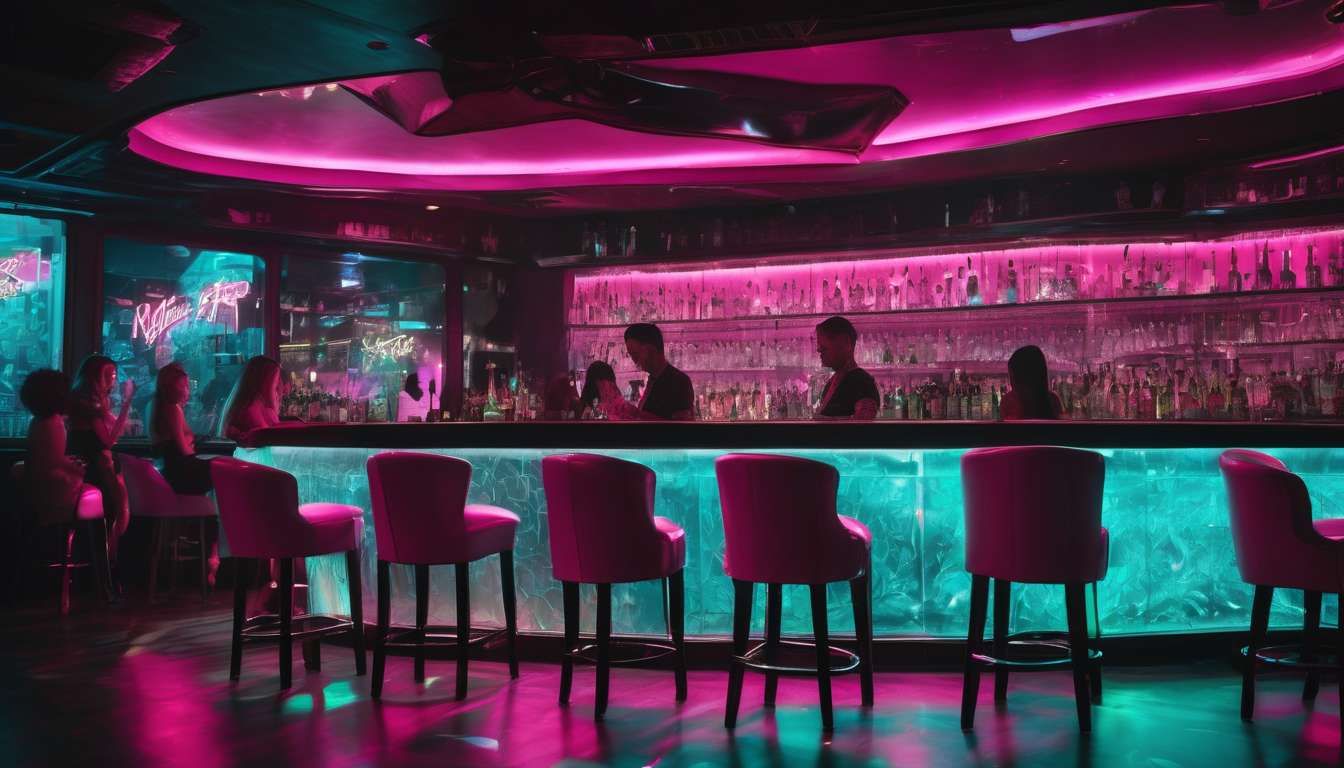

Just as shifting nightlife regulations and changing entertainment preferences reshape urban evenings, we find ourselves rethinking how exotic dancing venues connect with patrons.
We have watched streaming trends, gig economies, and shifting social attitudes converge, altering who attends shows and why.
As operators, marketers, and performers, we recognize that broad-brush promotion no longer suffices; audiences fragment along lines of age, values, spending power, and platform habits.
We notice younger patrons favoring experiential, Instagrammable nights while older clientele prioritize intimacy and tradition.
We see how post-pandemic safety priorities and local policy changes reshape peak hours and event formats.
By tracing these current currents, we aim to translate cultural and economic shifts into strategic audience segments that inform programming, pricing, and outreach.
Together, we will outline practical ways to read evolving trends and align offerings so venues remain relevant, profitable, and responsive to the nuanced expectations of diverse attendees.
Market Landscape Overview
We’ll begin by mapping the current exotic dancing market — its size, growth trajectory, key player types, and regulatory and social factors shaping demand.
We’ll chart market segmentation so we can see niches where venues, touring shows, and private events overlap or diverge.
We’ll note how local ordinances and social attitudes constrain expansion yet create opportunities for differentiated offerings.
We’ll emphasize audience demographics only as they inform segments rather than granular profiles; that helps us align programming and promotions without repeating detailed persona data later.
We’ll focus on customer experience as the primary competitive lever, outlining how:
- ambiance
- talent variety
- safety protocols
- service levels
combine to create loyalty and word-of-mouth.
We’ll also map distribution channels — walk-ins, ticketed events, and digital platforms — to understand reach and retention.
By combining regulatory awareness, clear segment definitions, and a customer-experience lens, we’ll create a shared framework that invites contributors to identify where they fit and where the market is moving next.
Demographic Profiles
You asked: outline key demographic groups that regularly attend exotic dancing venues and events, focusing on age ranges, gender mixes, income brackets, and visit frequency to inform programming and promotions.
Summary of core cohorts
1. Younger adults (21–34)
- Key traits: Social nights, group outings, budget-conscious, trend-driven.
- Gender mix: Often mixed groups; nights can skew male-dominant or balanced depending on promotions (college nights, themed events).
- Income bracket: Entry-level to early-career earnings; discretionary spending but price-sensitive.
- Visit frequency: Occasional to monthly; peak on weekends and during event promotions.
- Programming implications:
- Affordable cover/food/drink bundles
- Strong social-media-led promotions and themed nights
- Group packages and early-bird specials
- Energetic music, interactive elements, photo-friendly design
2. Middle-aged patrons (35–54)
- Key traits: Seek upscale atmosphere, privacy, and higher service levels; often value experience over price.
- Gender mix: Can include couples, groups of friends, and male patrons; certain nights or private areas skew different ways.
- Income bracket: Mid-career to higher disposable income.
- Visit frequency: Monthly to weekly regulars, especially for VIP services and private events.
- Programming implications:
- Tiered pricing with VIP/lounge options and private rooms
- Discreet entry, higher-end décor, attentive staff and service standards
- Loyalty programs and reservation systems
- Curated entertainment (themed shows, guest performers)
3. Older visitors (55+)
- Key traits: Drawn by nostalgia, special occasions, or relaxed pacing; appreciate respectful staff and comfortable seating.
- Gender mix: More mixed (couples and older single patrons); nights or matinees can skew different ways.
- Income bracket: Varied — many on fixed incomes but some with significant disposable income.
- Visit frequency: Occasional — special events, anniversaries, or nostalgia-driven nights.
- Programming implications:
- Daytime or earlier-evening events and comfortable seating/lighting
- Clear communication about accessibility and amenities
- Special-occasion packages and promotions tied to holidays or anniversaries
Cross-cutting audience attributes
Gender mixes and inclusivity
- Key point: Gender composition varies by night, format, and promotion; design offerings to be welcoming for all.
- Actions:
- Train staff in inclusive, respectful service
- Offer nights targeted to different groups (ladies’ nights, LGBTQ+ nights, couples’ nights)
- Neutral signage and communication that emphasize safety and inclusivity
Income-based segmentation and pricing
- Key point: Patrons span from budget-conscious to high disposable income — use tiered pricing and value ladders.
- Actions:
- Standard admission and drink specials for price-sensitive customers
- Mid-tier packages (table service, small VIP add-ons)
- High-end VIP, bottle service, and private experiences for affluent patrons
Visit frequency and community-building
- Key point: From occasional celebrants to weekly regulars — prioritize consistency to turn visitors into repeat customers.
- Actions:
- Loyalty programs, regular-event calendars, and consistent service standards
- Memberships or subscription-style perks for frequent visitors
- Community-focused events and performer-customer relationship management
How segmentation informs programming and promotion (measurable outcomes)
- Key point: Apply market segmentation to refine messaging, space design, and offers to increase visitation, spend per head, and retention.
- Measurable strategies:
- Track KPIs by cohort: visit frequency, average spend, conversion from promotion to attendance
- A/B test promotions (e.g., student/early-bird pricing vs. VIP-only offers) and measure lift
- Use feedback loops (surveys, staff reports) to iterate décor, night themes, and service levels
Final takeaway
- Design decisions should be cohort-driven: match atmosphere, price, and messaging to the dominant audience for each night or event.
- Prioritize inclusivity and consistent service to broaden appeal and increase repeat visitation.
- Measure impact of segmentation through clear KPIs and adjust programming to maximize customer experience and revenue.
Behavioral Segmentation
We segment patrons by observable behaviors to tailor offers and measure response.
We use visit occasion, spending patterns, engagement with promotions, and preferred service levels as primary behavior axes.
This moves beyond demographics to focus on what patrons actually do:
- Visit occasion: celebrations versus routine nights.
- Spending patterns: average spend and tipping cadence.
- Promotion engagement: who responds to time-limited deals or loyalty prompts.
- Service preference: preferred level of attention or experience cues.
We create actionable cohorts and design targeted responses.
Typical cohorts we form:
- High-frequency, low-spend regulars
- Occasional big spenders
- Promotion-driven newcomers
- Service-level loyalists
For each cohort we plan:
- Communications (timing, channel, message tone)
- Floor staffing (allocation and training)
- Experience cues (menu suggestions, seating, acknowledgements)
We measure impact and iterate rapidly.
Key measurement and learning steps:
- Measure lift from targeted offers.
- Monitor shifts between cohorts.
- Iterate quickly to protect the customer experience.
The benefit: align operations and marketing with observed behaviors.
By doing so we:
- Make patrons feel recognized and valued.
- Optimize revenue and retention.
- Reduce reliance on static demographic labels.
Value and Price Tiers
Define value and price tiers that match patron willingness to pay and desired experience.
Organize tiers around market segmentation and audience demographics so everyone feels seen and included.
Align offerings, staffing, and promotions to each tier.
Budget-conscious / entry tier
- Straightforward, predictable pricing.
- Group seating and consistent entertainers.
- Focus: preserve reliable customer experience and steady traffic.
Mid tier
- Elevated seating and themed nights.
- Mix of talent with targeted promotions.
- Focus: build community and reward loyalty.
Premium tier
- VIP rooms, personalized attention, and curated performances.
- Higher staffing ratios and specialized training.
- Focus: deliver exclusivity and white‑glove service.
Use precise metrics to manage tiers
- Track frequency, spend, and feedback.
- Move patrons between tiers and tailor communications based on data.
- Ensure messaging and offers never alienate lower tiers.
Coordinate pricing, amenities, and talent allocation to create accessible pathways for patrons to deepen engagement.
Expected outcomes
- Stronger retention.
- Higher lifetime value.
- A welcoming venue where distinct preferences are respected and celebrated.
Channel and Platform Habits
We’ll map where patrons spend time online and offline, which platforms they prefer for discovery, booking, and engagement, and how those habits vary by tier and persona.
We’ll use market segmentation and audience demographics to identify touchpoints that foster connection and belonging.
Channel preferences by persona:
-
Core patrons:
Lean on venue websites, email lists, and loyalty apps for booking and updates. These channels should be optimized for clear navigation, reliable notifications, and easy booking flows. -
Social explorers:
Follow curated Instagram and TikTok feeds for discovery and community cues. Prioritize short, visually engaging content and community-driven posts. -
High-spend regulars:
Prefer private messaging, vetted booking platforms, and invite-only events. Channels should feel discreet and familiar, with concierge-style communication.
We’ll prioritize consistent customer experience across favored platforms.
Messaging should echo the same welcoming tone whether it’s an app notification, a DM, or an in-venue flyer.
Use data-driven timing and content types to meet each persona where they already gather:
- Short video for discovery.
- Clear CTAs for booking.
- Personalized follow-ups for retention.
By aligning channels with persona habits, we’ll build stronger relationships and make patrons feel seen and included.
Safety and Accessibility Needs
We’ll prioritize physical safety, digital privacy, and accessible entry points so every patron can feel welcome and secure regardless of ability, identity, or spending tier.
We assess market segmentation and audience demographics to identify distinct safety expectations.
- Solo visitors
- Groups
- High-spend clients
- Patrons with disabilities
Each segment requires tailored risk-reduction measures.
We’ll standardize visible security presence, well-lit access routes, clear signage, and trained staff who de‑escalate with empathy.
- Consistent security staffing and uniform policies across shifts and venues
- Lighting and sightline standards for entrances, pathways, and parking areas
- Clear, inclusive signage for navigation and safety information
- Staff training focused on empathy, de‑escalation, and nondiscriminatory practices
We’ll protect digital privacy by limiting data collection, securing payment flows, and communicating policies in plain language.
- Minimize stored personal data to what’s strictly necessary
- Use encrypted payment processing and regular security audits
- Present privacy policies and consent prompts in clear, accessible language
We’ll ensure physical accessibility—ramps, seating options, and sensible sightlines—so belonging isn’t gated by mobility.
- ADA-compliant entryways and route planning
- Diverse seating options (transfer, companion seating, varied heights)
- Unobstructed sightlines to stages and service areas
We’ll gather feedback from representative audience demographics and iterate on protocols, balancing safety with warmth.
- Regular surveys and focus groups with diverse patrons
- Incident reviews that include community input
- Continuous improvement cycles tied to retention and satisfaction metrics
By aligning operational practices with segmented needs, we’ll reduce barriers, increase retention, and make our spaces reliably safe, discreet, and inviting for the diverse communities we serve.
Programming and Experience Design
We’ll design programming that balances diverse performance styles, predictable schedules, and tiered offerings so patrons know what to expect and can find experiences that match their preferences.
Map market segmentation to clear night themes.
- Late-night high-energy sets
- Relaxed lounge hours
- Member-only showcases
Use audience demographics to set show elements that create predictable rhythms.
- Show times aligned with age ranges and lifestyles
- Music genres reflecting cultural backgrounds
- Performer rotations based on spending patterns
Create tiered access so patrons can choose comfort and intimacy levels without judgment.
- General admission
- Preferred seating
- Curated VIP rooms
Prioritize consistent, respectful customer experience across shifts.
- Inclusive signage
- Staff briefings
- Performer cues
Invite ongoing participation to build belonging and reduce friction.
- Regular feedback loops for regulars
- Newcomer orientations for first-time visitors
By aligning creative choices with segmented needs, we’ll create belonging, reduce friction, and make the venue a place patrons choose repeatedly.
Measurement and Optimization
Core metrics we’ll track
We’ll track a few core metrics—attendance by night theme, spend per segment, retention rates, and experience ratings—to quickly identify what’s working and where to optimize.
We’ll align those metrics with market segmentation and audience demographics so we can see which groups feel most at home and which need a different approach.
We’ll collect feedback in brief, respectful surveys and combine that with point-of-sale and booking data to form a clear picture of customer experience across segments.
How we’ll run experiments and act on results
We’ll run controlled experiments—changing music, lighting, promotions, or table service—and compare results by segment to refine offers that foster belonging.
-
- Design the change for one variable at a time (music, lighting, promotion, service).
-
- Roll out for a defined period or nights and collect the same core metrics by segment.
-
- Compare against baseline and across segments to identify winners and losers.
We’ll set measurable targets for retention and average spend, revisit them monthly, and share progress with staff so everyone contributes to improvement.
We’ll monitor adverse signals—like declining repeat visits from a segment—and act quickly to investigate and correct.
Principles for measurement
By keeping measurement simple, transparent, and tied to real people, we’ll optimize experiences that welcome patrons and sustain the venue’s health.
-
- Use clear, small dashboards or weekly briefs for staff.
-
- Prioritize actionable metrics (attendance by theme, segment spend, repeat rate, NPS/experience rating).
-
- Combine quantitative data (POS, bookings) with qualitative feedback (short surveys, staff observations).
How do local laws and licensing requirements affect how I can segment and market to different audience groups?
Local laws and licensing determine who you can legally reach and how you must present your outreach.
Key rules to check:
- Age restrictions (who can be targeted or excluded)
- Advertising limits (content, timing, and placement restrictions)
- Zoning rules (where certain outreach or events can occur)
- Permit conditions (special permissions required for specific activities)
How to adapt outreach to comply:
- Adjust messaging and channels to avoid prohibited content and ensure appropriate audiences.
- Select audience segments that align with legal constraints to prevent outreach to restricted groups.
- Document compliance by keeping records of decisions, permits, and reviews.
Organizational steps to maintain compliance and trust:
- Train staff on relevant laws, licensing terms, and approved messaging.
- Monitor and update campaigns as laws or interpretations change.
- Prioritize inclusion and safety so outreach not only follows rules but builds trust and belonging within the community.
What ethical considerations should I keep in mind when collecting and using personal data for segmentation in this industry?
We should prioritize respect and consent when collecting personal data, ensuring people feel valued and safe.
We will be transparent about what we collect and why.
We will get clear opt‑ins and limit data to what’s necessary.
We will protect information with strong security, avoid exploiting vulnerabilities, and prevent discriminatory profiling.
We will allow access, correction, and deletion.
We will regularly review practices to stay accountable and maintain community trust.
How can I ensure staff (performers and front-of-house) are comfortable and consenting to targeted promotions or VIP experiences tied to specific audience segments?
Goal: Staff feel safe and respected when promotions or VIP experiences target specific audience segments.
Consent and transparency
- We will obtain explicit, informed consent before enrolling any staff member in a targeted promotion or VIP experience.
- We will explain clearly how data is used and stored, and the specific purposes of enrollment.
- We will provide an easy way to opt out at any time without penalty.
Staff involvement and boundaries
- We will involve performers and front-of-house staff in designing offers and experiences that affect them.
- We will set clear boundaries about what is and isn’t acceptable in offers or interactions.
- We will ensure fair compensation for any additional duties, time, or participation required.
Safety, reporting, and support
- We will provide anonymous reporting channels for concerns or incidents related to targeted offers.
- We will offer support resources (e.g., HR contact, counseling, mediation) to anyone affected.
Ongoing review and policy adjustment
- We will regularly review consent practices with staff and stakeholders.
- We will update policies and procedures as needed to maintain trust, safety, and belonging.
Conclusion
You now have a clear framework to tailor strategies across distinct audience segments in the exotic dancing market.
Use demographics, behaviors, value perceptions, and channel habits to shape pricing, programming, safety, and access.
Prioritize safety and accessible experiences while testing formats and tracking engagement metrics to optimize revenue and loyalty.
Iterate quickly on what resonates, measure outcomes, and adjust tactics so you consistently deliver differentiated experiences that meet each segment’s expectations and boost sustainable growth.