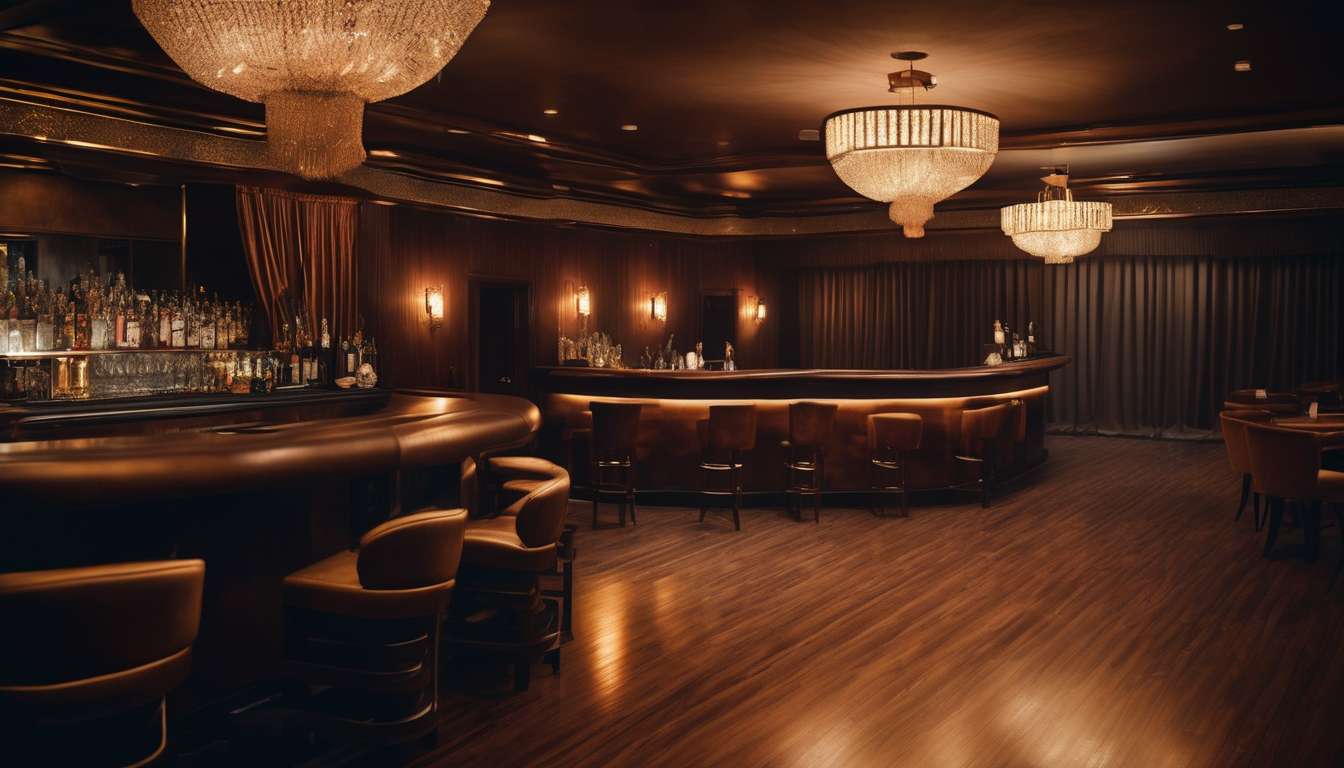

Rarely do we find that a single night can generate over $100,000 in revenue for one venue. Yet this headline figure only scratches the surface of a complex marketplace.
We approach the exotic dancing industry not as voyeurs but as economists.
- Our aim is to map how supply, demand, pricing strategies, tipping norms, and regulatory shifts interact under neon lights.
- We analyze how these forces shape short-term revenue spikes and long-run market structure.
We examine how club owners, performers, DJs, and patrons negotiate value.
- This negotiation happens through time, space, and performance style.
- Informal rules and platform-mediated interactions further shape earnings and labor conditions.
By parsing transaction flows, promotional tactics, and career trajectories, we reveal microeconomic decisions.
- These micro-decisions aggregate into observable trends in the nighttime economy.
- They explain choices about scheduling, stage-time allocation, and pricing of private dances.
Our goal is to translate anecdote into analysis.
- We expose the incentives that drive behavior across stakeholders.
- We combine empirical examples with theoretical lenses to build a coherent framework for understanding this often-misunderstood segment of the nighttime economy.
Market Overview
We’ll map the nightlife market by defining who participates, what they spend on, and how demand shifts across nights, neighborhoods, and seasons.
Participants.
- Patrons — regulars, occasional visitors, tourists.
- Performers — exotic dancers, musicians, DJs, guest acts.
- Venue operators — club owners, bar managers, promoters.
- Support staff — bartenders, bouncers, coat check, sound/lighting techs, cleaners.
How exotic dancing fits.
- Part of a broader leisure economy that includes music, food & drink, socializing, and nightlife services.
- Interacts with other revenue-generating activities (drinks sales, cover charges, bottle service) rather than functioning as an isolated product.
Tipping behavior as economic allocation.
- Tips are not just generosity — they are income allocation that influences performer schedules and venue policies.
- Observable effects include performer shift choices, pricing of private dances, and staff allocation during peak hours.
Platformization and digital concentration.
- Platform features — online bookings, promotions, reviews, and social discovery — reconfigure access and matching between entertainers and customers.
- Platforms tend to concentrate demand in digitally visible venues and acts, changing foot traffic patterns and promotional strategies.
Community norms and predictability.
- Regulars, new attendees, and staff create predictable social patterns that contribute to perceived welcome and safety.
- These norms shape operating hours, performer rotation, and staff deployment.
Spending categories and timing.
- Quantifiable categories: cover charges, drink sales, private dances, tips, bottle service, and ancillary purchases (parking, coat check).
- Link spending categories to peak times, neighborhood profiles, and event-driven spikes without inferring psychological motives.
Revenue distribution outline.
- Revenue streams are split across stakeholders: performers (direct pay + tips), venue operators (cover + drinks + service fees), promoters (door splits/guarantees), and support staff (wages + tips).
- Mapping these flows enables later analysis of stability, equity, and growth.
Analytic framing.
- Focus on observable transactions and structural shifts (hours, pricing, platform effects, neighborhood demand cycles).
- Keep the picture useful for participants in the nightlife ecosystem by grounding claims in measurable behaviors and institutional arrangements.
Demand Drivers
Demand for nightlife services is driven by a blend of temporal patterns, demographic preferences, price signals, and event-specific shocks that shift where, when, and how much people spend.
Temporal patterns create predictable spikes and troughs.
- Weekends, holidays, and large local events produce strong, predictable surges in demand.
- Weekdays are quieter and tend to favor intimacy, community, and repeat local patrons.
Demographics shape tastes and spending behavior.
- Younger crowds often pursue novelty and “social media moments” that favor visually striking or unique experiences.
- Older groups typically prioritize comfort, conversation, and consistent service.
Social motivations — belonging, status, and ritual — strongly influence choices.
- Venues that foster inclusive atmospheres draw repeat patrons and steadier spend.
- Patrons often buy affiliation and status as much as the show itself.
Price signals and tipping norms affect perceived value and performer income.
- Visible tipping behavior signals value to others and reinforces shared rituals.
- Strong tipping norms increase performer earnings and guest feelings of connection.
Platformization changes discovery, demand concentration, and crowd transparency.
- Apps and online listings concentrate demand and enable targeted promotions.
- Platforms make crowd composition more visible, which alters expectations and choice.
Overall interpretation: demand is socially rooted and information-sensitive.
- People don’t just buy access to entertainment — they buy memorable interactions, affiliation, and status.
- That shared pursuit of connection drives industry growth and how patrons allocate their budgets.
Supply Dynamics
Supply dynamics shape venue operations, services offered, and adjustments in labor, pricing, and physical space.
Performers choose shifts based on income stability and community support, while managers decide on capacity and amenities to attract steady crowds.
When exotic dancing venues cluster, cooperative strategies emerge to balance competition and shared clientele.
- Nearby venues coordinate to preserve a sense of belonging and maintain viable earnings.
- Managers and performers may share information on peak times, special events, and cross-promotions.
Tipping behavior directly influences operational and artistic decisions.
- Consistent tips encourage longer sets and richer floor offerings.
- Variable tipping can lead to shorter shifts, simplified formats, or intensified promotions.
Platformization has reshaped supply by connecting performers to gigs, classes, and audiences beyond a single club.
- Benefits: increased flexibility, broader audiences, and additional income streams.
- Drawbacks: fragmentation of local networks and uneven access to platform opportunities.
Collective adaptations help sustain a resilient, inclusive local market.
- Performers combine in-person presence with online profiles to maximize reach.
- Groups coordinate schedules to reduce direct conflicts and share opportunities.
- Workers advocate for fair access to platforms and equitable policies.
These coordinated practices enable the local market to respond efficiently to changing demand while supporting performers’ economic stability and community cohesion.
Pricing Mechanisms
Pricing mechanisms determine how we set cover charges, stage fees, private dance rates, and tip-outs to balance profitability, performer earnings, and customer willingness to pay.
We design pricing so everyone—staff, performers, and regulars—feels respected and part of the venue’s success.
We analyze demand peaks, competitor pricing, and performer schedules to set dynamic rates that keep doors busy without undercutting earnings.
In exotic dancing, transparency and predictable splits help retain talent. Performers want to know how platformization or booking apps affect pay and exposure.
We use modest price tiers for private dances and reserve higher-touch experiences for loyal patrons, creating clear pathways for deeper engagement.
We monitor tipping behavior patterns to adjust base rates and tip-out formulas, ensuring fairness while maintaining incentives for strong service.
When we pilot new prices, we gather feedback from performers and customers and iterate quickly.
Our goal is a pricing structure that’s efficient, equitable, and community-minded—so everyone who participates feels they belong and benefits from the venue’s growth.
Tipping Culture
Tipping shapes rewards, signals appreciation, and distributes income; we need clear norms that balance customer expectations with performer security.
We view exotic dancing as both art and labor.
- Tipping behavior creates daily livelihoods and social bonds.
- Intentional tipping acknowledges skill, builds rapport, and reinforces a safe, predictable economy for performers.
We face several challenges that undermine fair and predictable earnings.
- Inconsistent tips across patrons and nights.
- Opaque club practices that hide fees, house cuts, or tip-routing.
- Platformization of payments that can centralize fees or reroute revenue away from performers.
Our systems should respect dancer autonomy, increase transparency, and preserve direct patron–performer connections.
- Make earnings and fee structures transparent to performers and patrons.
- Avoid intermediaries that dilute tips or reallocate revenue without consent.
- Preserve visible, straightforward ways to tip (cash, clear digital options) that maintain the personal exchange.
We can cultivate practical norms to reduce anxiety and support everyone in the community.
- Suggest clear tip levels or ranges for common interactions (e.g., stage tips, private dances, drink purchases).
- Provide visible ways to tip and explanations of how tips are distributed.
- Encourage mutual respect and boundaries between patrons and performers.
- Monitor how technology changes tip flows and adjust policies to protect earnings.
By aligning expectations, supporting fair practices, and being mindful of technological change, we strengthen community and ensure tipping remains a dignified, sustaining part of nightlife economics.
Regulatory Impact
Regulations shape who benefits from nightlife earnings and how safely and fairly performers can work, so we must evaluate laws and enforcement practices with performers’ autonomy and income stability in mind.
We look at licensing, zoning, and labor rules that directly affect exotic dancing.
- Restrictive licenses can push clubs underground, increasing risks for performers.
- Clear protections can legitimize incomes and reduce exploitation.
We want rules that center performers’ voices, protect against coerced fees, and ensure access to benefits like sick leave and dispute resolution.
We also examine how rules influence tipping behavior.
- Tip pooling policies, cashless transactions, and mandatory service fees change take-home pay.
- These policies also affect social dynamics between staff and patrons.
When regulators consult performers and prioritize harm reduction, we build trust and community resilience.
Our recommendations are specific:
- Simplify licensing.
- Enforce anti-discrimination and wage protections.
- Create accessible complaint processes.
By aligning regulations with performers’ economic realities, we support a safer, more equitable nightlife where everyone feels included and respected.
Platform Influence
Many digital platforms now mediate bookings, payments, and publicity for performers, and we must examine how their rules, fees, and algorithms shape income, autonomy, and safety.
We see platformization reorganizing how exotic dancing is marketed and monetized.
- Centralized apps set visibility and take commissions.
- This alters tipping behavior and shifts bargaining power away from performers.
Algorithmic promotion privileges certain content.
- Algorithms nudge dancers toward styles that maximize clicks rather than personal preference or safety.
- This can erode creative autonomy and push performers into riskier or less comfortable practices.
Standardized payment tools have mixed effects.
- They can reduce cash-handling risks and improve traceability.
- They also impose fee structures that shrink take-home pay and complicate cash tips.
We want systems that support community norms, so we advocate for:
- Transparent ranking and promotion criteria.
- Fair fee caps and predictable fee structures.
- Options to opt out of intrusive metrics and algorithmic nudges.
By centering performers’ voices in platform design, we can:
- Preserve autonomy.
- Encourage equitable tipping behavior.
- Foster safer, more inclusive digital spaces that respect the diverse identities and needs of those in the exotic dancing community.
Career Trajectories
Many performers navigate careers that shift between short-term gigs, steady residencies, and transitions into related industries.
We should map the economic, health, and skill-building factors that shape those pathways.
Exotic dancing isn’t a single trajectory; it’s a web of choices influenced by tipping behavior, venue norms, and broader labor markets.
Income volatility often pushes some performers toward residencies for stability, while others pursue flexible gig stacks or digital platformization to diversify revenue.
We want everyone reading to feel included: dancers, managers, and allies who care about fair pay and safety.
Skill accumulation — including stagecraft, self-promotion, and financial literacy — creates exit options or supports long-term careers within nightlife.
Health considerations and burnout are real determinants of career choices; community supports sustain longevity and safety.
Practical steps:
- Track earnings to identify sustainable patterns and understand peak/slow periods.
- Leverage platformization strategically (live streaming, content sales, tipping apps) to diversify income without overexposure.
- Cultivate peer networks for mentorship, shared knowledge, and informal safety checks.
- Build transferable skills (marketing, bookkeeping, event production) to widen future opportunities.
- Prioritize health and boundaries — rest, mental-health care, and workload limits reduce burnout risk.
Together we can map realistic, respectful pathways that honor autonomy and build collective resilience.
How do dancers manage their personal finances (taxes, savings, retirement) given fluctuating income and the informal nature of parts of the industry?
We face irregular pay, so we budget conservatively, track cash flow, and set aside taxes from every shift.
We get an accountant or use apps to log income and receipts, file estimated taxes, and form an LLC or maintain sole‑proprietor records if needed.
We build emergency savings, automate contributions to retirement accounts like IRAs when possible, and diversify income sources.
We lean on community resources and share knowledge to stay resilient.
What safety protocols and resources exist for exotic dancers facing harassment, assault, or trafficking, and how can patrons support safer environments?
Safety protocols and resources for dancers
Training: Venues should provide regular, trauma-informed training for dancers and staff on recognizing and responding to harassment, assault, and trafficking. This includes de-escalation techniques, bystander intervention, how to document incidents safely, and understanding confidentiality and mandatory reporting obligations.
Panic buttons and security systems: Install and maintain panic buttons (wearable or at stations), clear alarm procedures, and reliable communication systems between dancers and security. Ensure panic devices are accessible, tested regularly, and that staff respond promptly when activated.
Security staff and protocols: Employ trained security personnel who follow written, enforceable protocols that prioritize employee safety and de-escalation. Security should be trained to work with trauma-informed reporting, to remove threats without further retraumatizing victims, and to record incidents accurately.
Clear workplace policies: Establish and publish explicit codes of conduct for patrons and staff, including zero-tolerance policies for harassment, assault, and trafficking. Policies should outline reporting steps, disciplinary measures, and protections against retaliation.
Hotlines and legal aid: Provide visible, up-to-date information on local and national hotlines (e.g., sexual assault and human trafficking hotlines), access to confidential legal aid, and resources for obtaining protective orders or other legal remedies.
Confidential shelters and outreach programs: Partner with trauma-informed confidential shelters, social services, and outreach programs that offer safe housing, counseling, medical care, and long-term support for survivors of assault or trafficking.
Reporting and documentation: Use trauma-informed reporting options that respect a dancer’s autonomy and privacy (anonymous reporting, confidential advocates). Ensure documentation procedures preserve evidence while protecting survivor confidentiality.
How patrons can help
Respect boundaries: Always respect dancers’ stated limits and boundaries — verbal, bodily, and signage-based. Consent is ongoing and must be honored.
Report concerning behavior: If you witness harassment, assault, or suspicious activity that may indicate trafficking, notify venue staff or security immediately. If staff do not respond, use emergency hotlines or law enforcement as appropriate.
Tip fairly and ethically: Tip fairly for performances and services to help dancers maintain financial independence and reduce vulnerability. Avoid pressuring or coercing dancers to accept tips or favors for inappropriate requests.
Support safe venues: Prefer and patronize venues that demonstrate strong safety practices: visible policies, trained staff, functioning panic systems, and partnerships with support services. Provide constructive feedback to venues that need improvement.
If you’re unsure or afraid to intervene: Use indirect interventions — move closer, create a distraction, or ask if the person is okay. Call venue staff or an emergency line rather than confronting a potentially dangerous situation yourself.
Why this matters
Safety and dignity: Robust safety protocols and supportive resources reduce harm, help survivors access care, and promote a workplace where dancers feel protected and valued.
Community responsibility: Patrons, staff, and venue owners all share responsibility for creating an environment that prevents abuse, responds effectively when incidents occur, and supports survivors in healing and recovery.
How do exotic dancers navigate healthcare access, including reproductive health, mental health, and injury care, especially when lacking employer-provided benefits?
We’re asking how exotic dancers access healthcare without employer benefits.
Community clinics, sliding-scale sexual and reproductive health centers, and Planned Parenthood are commonly used for primary care, STI testing, contraception, and reproductive services.
Cash-pay urgent care, telehealth, and harm-reduction services provide accessible options for acute care, medication refills, and safer-use supplies when insurance or employer coverage is unavailable.
Support networks to share trusted providers and funds
- Dancers often form informal groups to recommend low-cost clinicians.
- Emergency funds or rotating cash pools help cover unexpected medical bills.
Mental health care via low-cost therapists, peer support, and crisis lines
- Community counseling, training programs with reduced fees, and sliding-scale therapists.
- Peer support groups (in-person and online) and national crisis lines for immediate help.
Advocacy and clinic outreach
- Organizing for policy change (expanding Medicaid, decoupling work-based barriers).
- Encouraging clinics to offer flexible hours, nonjudgmental care, and targeted outreach.
Key actions to find care
- Search community health centers and Planned Parenthood for sliding-scale services.
- Use telehealth and urgent care for immediate needs when uninsured.
- Build and rely on peer networks for recommendations and short-term financial help.
- Look for low-cost mental-health options and peer-support resources.
- Engage in or support local advocacy to expand accessible services.
Bottom line: combine community clinics, cash-pay and telehealth options, harm-reduction services, mutual aid, and advocacy to meet healthcare needs when employer benefits are not available.
Conclusion
You’ve seen how nightlife economics shape the exotic dancing market: demand signals, supply responses, pricing levers, tipping norms, regulation, platform effects, and career paths all interact.
You’ll recognize that changes in consumer tastes, technology, or policy quickly ripple through wages, work conditions, and entry decisions.
Going forward, staying attuned to data, worker voices, and regulatory shifts will help you anticipate trends and craft policies or business strategies that balance profitability, fairness, and dancer wellbeing.