
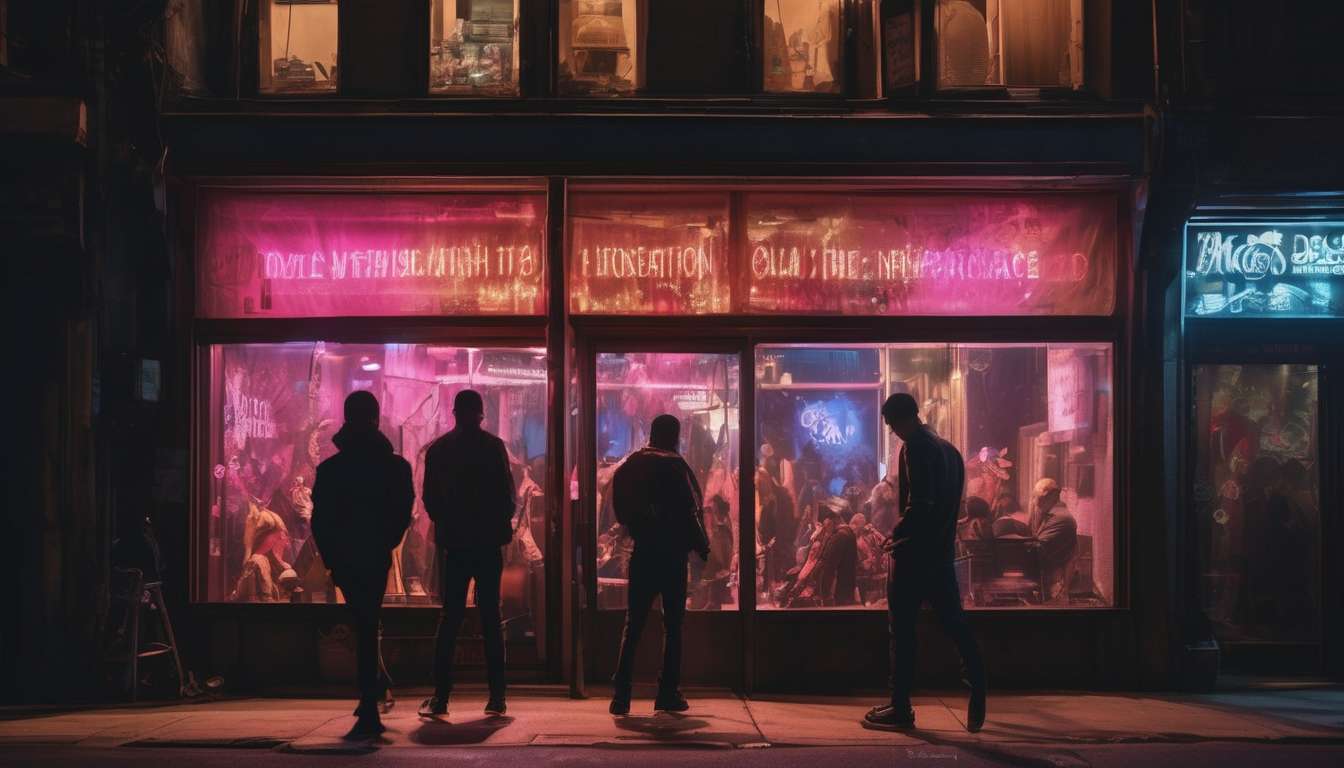
Very often we assume that exotic dancing venues operate under a uniform set of standards, as if a single rulebook were mailed to every city and town.
That belief is comforting because it suggests predictability for operators, dancers, neighbors, and policymakers alike.
In reality, there is a patchwork of licensing requirements, fee structures, zoning rules, and enforcement practices that vary dramatically block by block.
Myths persist — stories of either oppressive crackdowns or laissez-faire havens spread easily — but those simplifications obscure how licensing shapes daily realities:
- Who can work.
- Where stages can be placed.
- Which safety measures are mandated.
- How venues survive financially.
We set out to unpack these misconceptions by mapping how local regulations, often enacted for distinct political and social reasons, generate tangible outcomes for business operations and worker autonomy.
By separating myth from measurable effects, we aim to illuminate practical implications for communities and stakeholders.
Regulatory Patchwork
Across cities and counties we find wildly different rules governing exotic dancing venues, and those local variations force us to navigate a confusing regulatory patchwork.
We rely on clear, shared knowledge to protect our businesses and each other, so we map how adult entertainment licensing intersects with zoning restrictions and performer regulations.
Licensing regimes vary widely.
- In some places licensing is straightforward.
- In others it’s layered with conditional permits, public hearings, and renewal hoops that drain time and money.
Zoning restrictions have significant effects.
- Zoning can push venues to fringes.
- This isolation fragments community connections we’re trying to build and can harm worker safety.
Performer regulations differ in scope and create uncertainty.
- Requirements may include:
- Age verification.
- Background checks.
- Costume rules.
- On-stage boundaries.
- Inconsistent standards create confusion for performers, managers, and advocates.
By comparing ordinances and sharing best practices, we reduce risk and create safer, more stable workplaces.
We’re stronger when we compile reliable resources, coordinate advocacy, and demand clarity so venues and performers can operate with dignity and predictability.
Licensing Types Explained
Business licenses
Venues must hold a municipal business license tied to adult entertainment licensing rules, tax registration, and basic safety inspections.
Why it’s required
- Establishes the venue as a legally operating business.
- Ensures compliance with local tax and safety requirements.
- Serves as the baseline credential that ties the premises to regulatory oversight.
Operator licenses
Who needs it: owners or managers who oversee day-to-day operations.
What it does
- Identifies who is responsible for regulatory compliance.
- Often requires background checks and proof of training.
- Signals to authorities the person accountable for enforcing venue policies.
Performer permits
Who needs it: individual entertainers working at the venue.
Key obligations
- Age verification (strict proof of legal age).
- Consent documentation and recordkeeping.
- Health and safety training or certifications, when required.
Endorsements and combined models
Some jurisdictions combine licenses or add endorsements—such as late-night operation or alcohol service permits—that change venue responsibilities. These add-ons can impose extra training, hours restrictions, or security requirements.
Why understanding each permit matters
- By knowing the purpose of each credential, venues protect themselves, staff, and patrons.
- Clear delineation of responsibilities helps meet community standards and reduces legal risk.
Note on zoning
Licensing often intersects with zoning restrictions in practice, but the focus here is on who needs which credential and the concrete obligations tied to each license type.
Zoning and Location Limits
We’ll examine how local zoning ordinances and buffer rules dictate where exotic dancing venues can operate and what neighborhood uses they must stay away from.
We’ll map how adult entertainment licensing ties to zoning restrictions.
- Many jurisdictions require venues to locate a set distance from schools, parks, churches, and residential zones.
- Buffer distances are typically specified in local code and can vary widely by jurisdiction.
- Zoning maps and code text together determine where adult uses are permitted, conditionally permitted, or prohibited.
We’ll note that conditional use permits and special exceptions often come with clear limits.
- Time limits (hours of operation) are commonly imposed.
- Signage restrictions (size, content, lighting) help reduce secondary impacts.
- Occupancy and capacity limits, as well as operational rules, are used to align venues with community standards.
We’ll describe how zoning reviews create predictable processes for owners and neighbors.
- Public notice and hearings give neighbors and stakeholders the chance to comment.
- Criteria-based review makes approvals and denials more transparent and defensible.
- Predictable procedures reduce uncertainty for operators and allow communities to shape outcomes.
We’ll emphasize that performer regulations intersect with location rules.
- Safety features, access, and backstage layout requirements can be conditions of approval.
- Regulations addressing harassment, employment classification, and workplace protections often affect operational design and staffing.
- Venue layout and ingress/egress may be reviewed for patron and performer safety as part of zoning or licensing.
We’ll encourage operators and community members to seek clear guidance and collaborate.
- Contact planning departments and licensing boards early to clarify code requirements.
- Collaborate on reasonable mitigations (e.g., improved lighting, soundproofing, buffer landscaping).
- Use appeals or administrative review when outcomes appear inconsistent with law or policy.
Goal: balance public safety and inclusive economic opportunity.
- Work toward solutions that respect neighborhood character and protect vulnerable people.
- Seek transparent, legally grounded conditions rather than vague prohibitions.
Performer Eligibility Rules
Who may legally perform on stage
Adult performers only. Adult entertainment licensing almost always requires performers to be legal adults — typically 18+ or 21+ depending on jurisdiction. Venues and organizers must verify age before allowing anyone to perform.
Required documentation
Government-issued photo ID. A valid passport, state ID, or driver’s license is normally required to prove age and identity.
Performer-specific permits. Some jurisdictions require a separate performer permit or registration card in addition to a government ID.
Health or declaration forms (where required). Certain areas ask for health declarations or proof of testing; keep local rules checked for specifics.
Recommended practice: centralize documentation.
- Keep copies (or secure digital scans) of IDs, permit cards, and any health paperwork in a single, secure location.
- Make the process transparent to performers so inspections go smoothly and everyone feels supported.
Common disqualifiers enforced by licensing authorities
Criminal-background issues. Recent convictions for sex offenses or human trafficking commonly disqualify applicants.
False or fraudulent documents. Presenting forged or otherwise false documents is immediate grounds for denial and possible prosecution.
Zoning and location-based restrictions. Zoning rules can indirectly affect eligibility by prohibiting certain performances near schools, churches, or in specific districts — if a location is off-limits, performers effectively cannot be licensed to work there.
Why shared compliance matters
Protect livelihoods and community acceptance. When performers, venues, and staff collectively follow regulations, it:
- Creates predictable pathways for lawful participation.
- Reduces individual legal and financial risk.
- Strengthens the venue’s standing with regulators and the community.
Actionable next steps
- Verify local age requirement (18 vs 21) and document it for staff and performers.
- Maintain a secure, centralized file of IDs, permit cards, and any required health forms.
- Screen applicants for disqualifying convictions and check documents for authenticity.
- Confirm zoning rules for your location to ensure performances are permissible.
By approaching these rules together and transparently, performers can join stages lawfully, venues minimize risk, and the broader community benefits from clearer, safer operations.
Safety and Operational Mandates
We’ll enforce clear safety protocols and operational procedures to protect performers, staff, and patrons while keeping the venue compliant with local rules.
We’ll create consistent routines—entrance screenings, incident reporting, and emergency drills—that reflect adult entertainment licensing requirements and respect everyone’s dignity.
We’ll set staffing ratios, lighting standards, and secure cash-handling policies so staff and performers feel supported and safe.
We’ll follow zoning restrictions by scheduling operations and controlling access in ways that reduce neighborhood friction and protect our shared sense of community.
We’ll align stage design, barrier placement, and security staffing with performer regulations to ensure personal space and minimize risks.
We’ll train teams in de-escalation, consent communication, and venue-specific safety tech, and we’ll keep transparent records to show compliance and continuous improvement.
We’ll invite performer and staff input into operational mandates so everyone’s voice matters.
We’re committed to practical, enforceable measures that foster inclusion, accountability, and a safer workplace while meeting licensing and local regulatory expectations.
Fee Structures and Costs
Transparent, predictable fee structures.
We will outline transparent fee structures and predictable cost schedules that balance municipal revenue needs with venue viability and performer earnings. Fees must be clear, published, and easy to find so operators and performers can plan ahead.
Tiered licensing tied to venue size and services.
- We propose tiered adult entertainment licensing fees based on:
- Venue size (square footage or patron capacity).
- Services offered (food, alcohol, private rooms, live performance).
- This ensures small collectives aren’t crushed while larger establishments contribute proportionally.
Community-oriented zoning-based pricing.
- Zoning adjustments: venues in high-impact zones may carry higher fees to offset neighborhood services.
- Incentives for cultural districts: venues in designated entertainment districts pay reduced fees to encourage cultural vitality and economic activity.
Predictable renewal, waivers, and reductions.
- Published renewal dates and fixed renewal schedules to reduce uncertainty.
- Waiver or reduction pathways for:
- New businesses.
- Rehabilitating or community-serving venues.
- These pathways ensure support for emerging and transitioning operators.
Fair funding for performer-related regulations.
- No opaque surcharges on performers.
- Costs for mandatory inspections or training should be:
- Reasonable, and
- Subsidized where possible (grants, sliding scales, or public funding).
- This prevents enforcement costs from being passed unfairly to workers.
Appeals, hardship processes, and stakeholder review.
- Implement clear appeals and hardship processes for fee disputes or unexpected burdens.
- Schedule regular stakeholder reviews (operators, performers, residents, regulators) to reassess fee levels and impacts.
- Require revenue reporting so operators, workers, and residents share visibility into how fees are used.
Outcome: a transparent, sustainable system.
These measures create a system that is transparent, fair, and predictable, supporting safe, lawful, and economically viable venues while protecting performer earnings and neighborhood wellbeing.
Enforcement and Compliance Variability
Enforcement and compliance vary widely across jurisdictions, and we must address inconsistent inspection frequency, uneven application of rules, and divergent penalties to ensure fair and effective oversight.
We see cities where adult entertainment licensing is enforced through routine, predictable inspections, and others where visits are ad hoc, leaving operators and performers unsure what standards apply.
That inconsistency undermines trust and makes it harder for venue staff to follow performer regulations reliably.
We’re committed to creating clear expectations so everyone feels included in the regulatory process.
- Comparable enforcement practices should apply whether zoning restrictions are strict or permissive.
- Transparent notice of violations must be provided.
- Graduated penalties should match the severity of the infraction.
Practical steps to achieve this include:
- Promote shared training for inspectors and stakeholders.
- Publish checklists aligned with local codes.
- Offer accessible appeal pathways.
By harmonizing enforcement approaches and communicating them openly, we help venues, workers, and communities cooperate, reducing conflict and improving compliance while acknowledging local differences.
Economic and Social Impacts
We should assess how local licensing choices affect venues’ economic viability, workers’ incomes, nearby property values, and community wellbeing.
Adult entertainment licensing, zoning restrictions, and performer regulations shape who can work, where venues locate, and how profits circulate.
When licensing is costly or limited:
- Venues tighten staffing.
- Venues cut performer pay.
- Venues may close, reducing local jobs and informal income streams many rely on.
Strict zoning pushes venues to peripheral areas:
- This can lower adjacent property values.
- It can isolate workers from transit and support services.
- Peripheral siting reduces casual foot traffic that sustains employment.
More flexible siting can integrate venues into mixed-use neighborhoods, sustaining foot traffic and employment.
We also recognize social impacts: inclusive policymaking reduces stigma, improves safety, and fosters mutual respect between venues and neighbors.
Clear performer regulations that protect labor rights and health — while avoiding overreach — help build trust.
By balancing community concerns with the economic realities of exotic dancing, we can craft local rules that support shared prosperity and belonging.
How do performers personally navigate differences in tips, payment methods, and cash-handling practices across venues in different municipalities?
We adapt to different tipping norms, payment methods, and cash rules across towns.
We swap tips on preferred venues, learn venue-specific payment systems, and carry small change or QR-ready phones.
We keep cash-safe routines, agree on splitting house tips when required, and set boundaries about off-shift payments.
We support each other, share reliable practices, and build community knowledge so everyone feels safer and respected.
What are common strategies clubs use to market themselves within strict local advertising and signage restrictions?
We rely on word-of-mouth, loyal customer programs, and private mailing lists.
We host members-only events, partner with nearby businesses, and emphasize discreet branding on social media and email.
We use tasteful window dressings, interior signage, and event calendars to keep regulars informed while respecting local limits, fostering belonging and trust among patrons.
These approaches are focused on community and discretion:
-
Word-of-mouth: Encouraging referrals and personal recommendations.
-
Loyal customer programs: Rewarding repeat patrons to strengthen retention.
-
Private mailing lists: Sharing updates directly with a limited, engaged audience.
-
Members-only events: Creating exclusive gatherings to build community.
-
Local partnerships: Collaborating with nearby businesses to reach relevant customers.
-
Discreet branding: Using subtle messaging on social platforms and email to remain low-profile.
-
On-site cues: Tasteful window dressings and interior signage that inform existing patrons without overt advertising.
-
Event calendars: Regularly updated schedules that keep regulars connected while adhering to local advertising rules.
How do local licensing rules affect inside-venue relationships between performers and independent contractors or managers (e.g., disputes over scheduling, pay, or house fees)?
We see that local licensing rules shape the power balance inside venues, so we work together to navigate disputes over scheduling, pay, and house fees.
We negotiate clearer contracts, track shifts transparently, and set communal standards to protect performers classified as independent contractors.
We support mediation, document violations, and build solidarity networks to push management and regulators for fairer practices while keeping each other informed and respected.
Conclusion
You’ve seen how a patchwork of local licensing rules shapes every part of exotic dancing venues.
These rules determine:
- The types of permits required.
- Where clubs can open (zoning).
- Who can perform (eligibility/age/record checks).
- What safety measures are required (security, lighting, health protocols).
Those variations affect:
- Costs (fees, compliance expenses).
- Operational choices (hours, layout, staffing).
- Enforcement unpredictability (differences in inspection and penalties).
What you need to do:
- Navigate fees, zoning, and eligibility carefully.
- Understand local specifics so you can balance compliance, business viability, and community concerns.
Bottom line: Knowing the local licensing patchwork is essential to plan or evaluate a venue effectively.