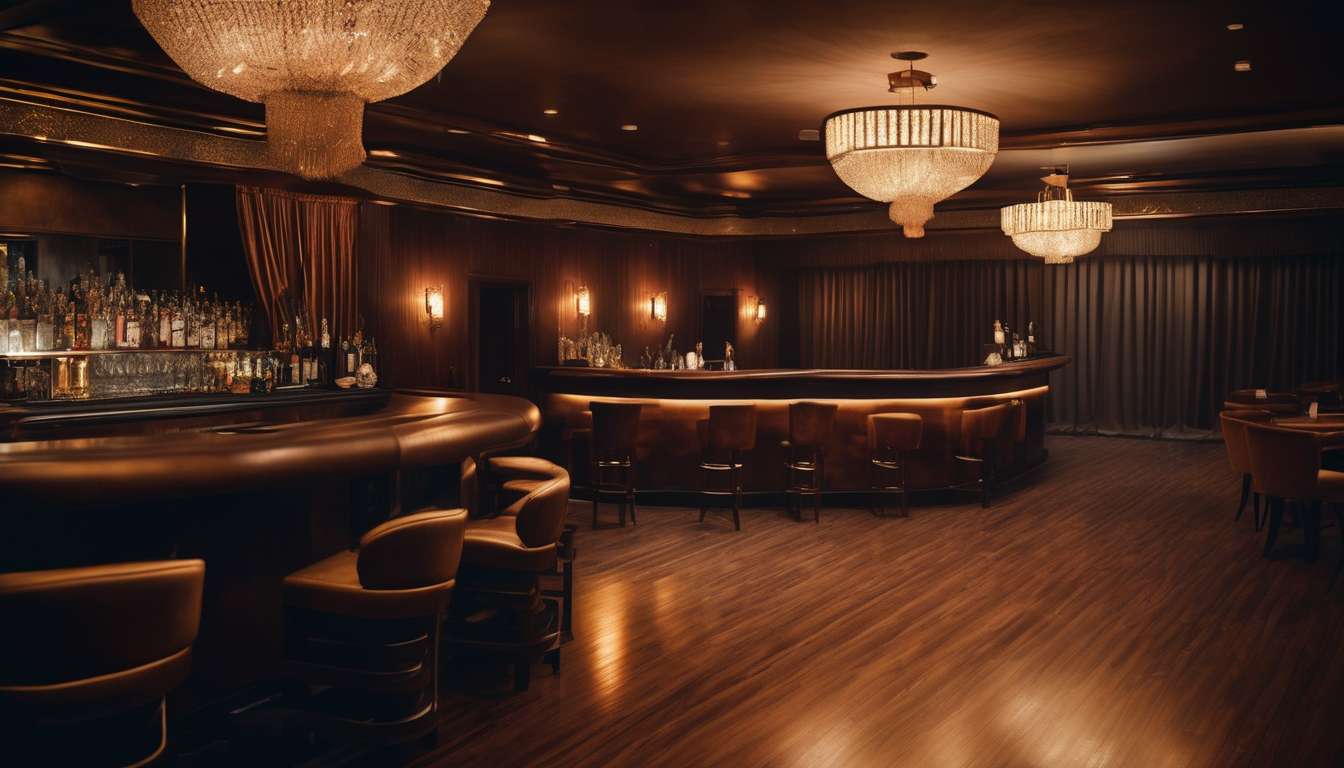

Everyone assumes exotic clubs survive purely on spectacle and secrecy, but that misconception overlooks the steady currency of reputation we cultivate every night.
We know that clients, performers, and local communities don’t simply react to flashing lights; they evaluate trustworthiness, safety, and respectability—qualities that define our brand long after a lap ends.
When rumors spread or reviews appear online, they reshape bookings, dancer retention, and municipal attitudes toward our venues.
We have seen how careful communication, consistent policies, and visible commitment to performer welfare convert gossip into goodwill and occasional scandal into recovery.
As operators, dancers, and managers, we share responsibility for the narratives that follow us:
- the stories patrons tell
- the social media posts that trend
- the licensing boards’ impressions
Recognizing and actively managing our reputations isn’t optional theater; it’s foundational business practice that preserves livelihoods, elevates standards, and secures our industry’s future.
Reputation as Revenue
A strong reputation directly boosts income by attracting repeat customers, higher tips, and premium opportunities.
Brand reputation is more than marketing copy — it’s the promise we keep to each other and our guests.
Prioritizing performer safety and respectful interactions creates return business. When patrons feel welcome they come back, bring friends, and provide steady support.
We build trust through consistent standards, clear communication, and visible commitment to well-being. That professionalism signals reliability and earns premium bookings.
Community engagement strengthens our local network.
- Host local events.
- Support causes.
- Collaborate with nearby businesses.
This network amplifies word-of-mouth and creates resilient demand during slow periods.
Treating teammates, staff, and customers with dignity creates a virtuous cycle. Safety and belonging drive financial gains.
We will measure outcomes and refine practices.
- Track repeat visits.
- Monitor tip trends.
- Measure referral rates.
Using these metrics lets us strengthen reputation and sustain the revenue that keeps our community thriving.
Performer Welfare Practices
We will implement clear policies, regular training, and accessible support systems to protect performers’ physical health, mental well-being, and financial security.
Standardized protocols will govern shifts, incident reporting, and emergency response so that performer safety is nonnegotiable.
Trauma-informed and peer support:
- We offer trauma-informed counseling.
- We facilitate peer-support groups.
- We provide connections to financial-planning resources.
These services ensure everyone can thrive, not just survive.
Routine health and ergonomics:
- Routine health checks.
- Ergonomic workspace adjustments.
- Scheduled rest breaks.
These measures reduce injury and burnout.
Make welfare visible and verifiable to protect brand reputation:
- Publish transparent policies and public commitments.
- Conduct regular audits.
These actions demonstrate that our community’s dignity matters.
Community engagement and feedback:
- Host open forums.
- Maintain anonymous feedback channels.
- Run collaborative policy reviews.
This ensures performers shape the rules that affect them.
Ongoing training and empowerment:
- Fund training in boundary-setting.
- Provide de-escalation training.
- Offer education on legal rights.
These investments help performers feel empowered and supported.
Outcome — center welfare in daily operations: By integrating these practices into routine operations, we build a brand that attracts performers who want to belong, work safely, and contribute to a respectful, resilient community.
Patron Trust Strategies
Build patron trust with consistent transparency, respectful service, and reliable safety measures.
We’ll ensure policies and practices make guests feel welcome and secure by communicating clear expectations about behavior, payments, and privacy so patrons know what to expect and feel included.
Train staff to model warmth and enforce boundaries.
We’ll train staff to both welcome patrons and uphold boundaries, reinforcing brand reputation through every interaction.
Prioritize performer safety as part of patron trust.
We’ll treat performer safety as integral to customer trust, demonstrating that care for talent and customers go hand in hand.
Invite and respond to feedback.
- We’ll invite feedback through multiple channels.
- We’ll respond promptly and adapt practices so people see we listen and belong.
Host regular community engagement events.
- Meet-and-greets
- Q&A sessions
- Mixers
These events will let patrons connect with performers and staff in controlled, respectful settings.
Share transparent reports and partner intentionally.
- Publish updates about improvements and policies.
- Invite partners who reflect our values to strengthen credibility.
Measure and refine trust-building efforts.
- Use surveys and track repeat visits to measure trust.
- Use results to refine service standards and safety protocols.
By centering dignity, consistency, and openness, we’ll create a welcoming environment that protects performers and deepens community ties.
Crisis Communication Plans
We’ll prepare a clear, practiced crisis communication plan that quickly informs stakeholders, protects privacy, and preserves trust.
We’ll identify roles, agreed messages, and authorized spokespeople so we speak as one voice that reflects our values and protects brand reputation.
We’ll prioritize performer safety in every protocol, ensuring rapid support, confidential updates, and liaison with medical or legal services when needed.
We’ll map channels for internal staff, performers, regular patrons, and community partners, keeping language warm and inclusive so everyone feels part of the solution.
We’ll run tabletop drills and review outcomes together, adjusting timelines and templates based on feedback.
We’ll record decisions and timelines to show accountability and rebuild confidence.
We’ll monitor responses from our neighborhood and partners to guide follow-up outreach and community engagement, restoring goodwill through transparent actions, not spin.
We’ll commit to learning after each incident, sharing lessons privately with those affected and publicly when appropriate, so our collective safety and reputation grow stronger.
Online Review Management
We will monitor all review platforms daily, respond promptly and professionally to feedback, and use insights to improve service and resolve issues before they escalate.
We will treat every review as a chance to reinforce brand reputation and show our commitment to performer safety and respectful experiences.
When criticism appears, we will:
- Acknowledge specifics.
- Offer solutions.
- Invite private follow-up so concerns are handled discreetly and effectively.
We will amplify positive reviews to celebrate staff and strengthen trust, and use recurring themes to inform training and policy updates.
We will train managers to spot fake or harmful posts and to document incidents that relate to performer safety, escalating as needed.
We will use aggregated review data to track patterns, measure improvements, and report back to teams so everyone feels included in progress.
Our tone will be consistent, empathetic, and community-minded: we want reviewers and staff to know they belong to a venue that listens, learns, and acts to protect people and the reputation we all depend on.
Community Relationship Building
We’ll build sustained, respectful relationships with local residents, businesses, and organizations to foster trust, address concerns, and create shared benefits.
We prioritize community engagement by:
- Hosting open forums
- Participating in neighborhood events
- Inviting constructive feedback
By collaborating with nearby businesses and civic groups, we strengthen our brand reputation and show we’re invested in neighborhood wellbeing, not just transactions.
We center performer safety in every outreach effort by:
- Sharing clear protocols and resources with partners and residents so expectations are mutual and actionable.
- Offering joint initiatives—like safety workshops and local hiring drives—that create real opportunities and demonstrate accountability.
- Reporting impacts, listening to critiques, and adapting practices to reduce friction and build belonging.
When community members feel respected and included, our venue becomes a welcomed presence.
That trust protects performers, boosts morale, and reinforces a positive brand reputation rooted in mutual care and long-term, accountable relationships.
Licensing and Compliance
We will maintain strict licensing and compliance standards to protect patrons, performers, and our business while ensuring operations meet local, state, and federal regulations.
We will keep permits current, post required notices, and document training so everyone sees we are accountable.
Clear policies on age verification, workplace safety, and consent will safeguard performer safety and reduce legal risk.
We will work with regulators and local groups to align our practices with community expectations, demonstrating that brand reputation is tied to responsible operation.
Regular audits, incident reporting, and accessible complaint channels will help us correct problems quickly and transparently.
We will provide onboarding that covers rights, health resources, and dispute resolution so performers feel supported and connected.
By prioritizing compliance, we create a reliable environment that encourages community engagement and trust.
That trust reinforces our brand reputation, attracts responsible patrons, and strengthens the sense of belonging among staff and performers.
Long‑term Brand Maintenance
To keep our reputation strong over time, we’ll consistently monitor performance metrics, update policies, and invest in relationships with patrons, performers, and local partners.
We’ll treat long-term brand maintenance as a shared responsibility that sustains belonging and trust.
Regularly reviewing feedback, incident reports, and revenue trends helps us spot issues before they grow.
We’ll prioritize performer safety through clear protocols, ongoing training, and accessible reporting channels so everyone feels protected and respected.
- Clear safety protocols for common and emergency situations.
- Ongoing training for staff and performers (de-escalation, injury prevention, reporting).
- Multiple accessible reporting channels and timely follow-up.
Community engagement won’t be an afterthought; we’ll host neighborhood events, support local causes, and collaborate with nearby businesses to reinforce our positive presence.
- Host regular neighborhood-friendly events.
- Sponsor or support local causes and charities.
- Create partnerships with nearby businesses (cross-promotion, shared events).
Transparent communication — about policy changes, safety measures, and community initiatives — keeps our team and guests aligned.
- Publish policy updates and safety changes promptly.
- Share community activity plans and outcomes with staff and patrons.
- Encourage open feedback and acknowledge responses publicly when appropriate.
We’ll set measurable goals for reputation health, review them quarterly, and adjust tactics based on data and lived experience.
- Define key reputation metrics (NPS, incident rates, repeat visits, community sentiment).
- Review results quarterly and compare against targets.
- Adjust policies, training, or engagement tactics based on findings and frontline feedback.
By combining disciplined monitoring, proactive safety practices, and genuine community ties, we’ll protect and grow our brand reputation while fostering a welcoming, dependable space for performers, staff, and patrons alike.
How can new venues establish a recognizable brand identity without large marketing budgets?
We’ll focus on our question: how can new venues build a clear brand without big budgets?
Define your vibe and values.
- Decide the core feelings and principles you want the venue to represent (e.g., cozy, inclusive, experimental, community-first).
- Write a short brand statement or pillars (1–3 sentences each) that staff can reference.
Show those values consistently.
- Decor: use low-cost, high-impact items (secondhand furniture, DIY signage, local art rotating displays).
- Staff training: teach the tone, language, and service behaviors that reflect your vibe.
- Social posts: match captions, color palette, and photo style to the brand statement.
Host intimate events that invite community.
- Start with small, regular formats (pop-ups, listening sessions, themed nights) to build repeat attendance.
- Use RSVP or limited tickets to create scarcity and better guest experience.
Partner with local creators.
- Invite musicians, artists, chefs, and makers to co-host events or sell work on consignment.
- Offer cross-promotion rather than large fees: social shoutouts, venue credit, or shared revenue.
Encourage word-of-mouth through loyalty perks.
- Simple programs: punch cards, referral discounts, early access to events, or a small freebie after a number of visits.
- Make rewards feel personal and aligned with your brand (e.g., a hand-written thank-you or an invite-only gathering).
Use authentic storytelling and consistent visuals.
- Share behind-the-scenes moments, founder/crew stories, and community member spotlights.
- Maintain a limited, repeatable visual language (fonts, filters, composition) so posts are instantly recognizable.
Engage responsively so people feel seen and want to belong.
- Reply promptly and personally to messages and comments.
- Collect feedback (informal chats, short surveys) and visibly act on it to deepen trust.
Bottom line: define your identity clearly, express it cheaply but consistently across space, people, and comms, and grow community through low-cost events, partnerships, and heartfelt engagement.
What are ethical ways to collaborate with social media influencers in the exotic dancing industry?
Goal: Ethically collaborate with social media influencers in the exotic dancing industry, prioritizing consent, clear contracts, fair pay, autonomy, and safety.
1. Prioritize informed consent and performer autonomy.
- Obtain explicit, ongoing consent.
- Respect limits and boundaries — never pressure influencers to change acts, outfits, or messages.
- Support creative control so performers shape how their work is presented.
2. Use clear, fair contracts.
- Put terms in writing covering scope, deliverables, timelines, usage rights, exclusivity, payment, and termination.
- Define content rights and duration — specify where and how long you may repost or reuse content.
- Include safety and privacy clauses (e.g., doxxing/harassment response, refusal rights).
- Allow contract review — encourage performers to consult legal counsel and negotiate terms.
3. Ensure fair, transparent compensation.
- Pay promptly and fairly — use market rates and negotiate with the performer, not take advantage of power imbalances.
- Compensate for non-performance work (prep, travel, promotion, revisions, licensing).
- Be transparent about additional revenue (affiliate links, tips, ad revenue) and share proceeds where agreed.
4. Disclose sponsored content and protect audiences.
- Follow platform and legal disclosure rules — clearly label paid partnerships (e.g., #ad, “sponsored”).
- Avoid misleading representations about the nature of the relationship or the content.
5. Choose influencers whose values align with yours.
- Evaluate past content and engagement to ensure respectful, consent-forward practices.
- Prioritize performers who advocate for worker rights and safety or who have established community trust.
6. Avoid exploitative practices.
- Do not pressure for “novel” or risky content that compromises safety or dignity.
- Avoid unequal power dynamics — do not demand unpaid exposure in lieu of reasonable pay.
- Reject manipulative campaign strategies that encourage harassment or invasion of privacy of performers or audiences.
7. Support safety and privacy.
- Plan for harassment mitigation — have moderation, reporting, and support processes.
- Respect privacy requests such as face concealment, stage names, or limits on geotagging.
- Provide secure channels for communication and file transfer.
8. Encourage accurate, respectful representation.
- Avoid sensationalizing or stigmatizing language and imagery.
- Represent context faithfully — let performers explain their work and boundaries.
- Include content warnings where appropriate.
9. Build long-term, community-focused relationships.
- Invest in ongoing collaborations rather than one-off transactions.
- Support broader performer needs (training, advocacy, safety resources) when possible.
- Engage with community feedback and adapt practices based on performers’ experiences.
10. Measure and iterate ethically.
- Collect consented feedback from performers and audiences about campaigns.
- Track outcomes beyond metrics — assess well-being, safety incidents, and community impact.
- Be willing to change terms or end relationships if harms arise.
If you want, I can draft:
- A sample contract clause list focused on consent, pay, and rights.
- A short outreach template for contacting performers that emphasizes ethics and transparency.
- A disclosure checklist for sponsored posts.
Which would be most helpful?
How should clubs handle background music licensing and performance copyright issues specific to dancers’ playlists?
We should treat the question as practical: clubs need clear, fair policies on music licensing and dancer playlists.
Obtain blanket licenses from ASCAP/BMI/SESAC or local equivalents so the club is legally covered for public music performance.
Require playlists to use licensed tracks or club-provided music.
- Clarify that DJs and performers must play only tracks covered by the club’s license or music supplied/cleared by the club.
- Offer support for cleared edits and remixes—help performers obtain permission or provide pre-cleared versions.
Communicate rights and revenue rules transparently.
- Publish how music rights, tips, and revenue sharing work.
- Explain any tip-splitting, music fee, or royalty-related deductions clearly in writing.
Create a respectful process to remove infringing content so performers feel protected and included.
- Notify the performer privately with evidence and an explanation.
- Offer options: replace the track with a cleared version, accept a club-provided edit, or remove the track from the playlist.
- Escalate only if needed and follow a consistent, documented appeals process.
Overall goal: protect the club legally while supporting performers—provide licenses, clear rules, practical assistance with cleared edits, and transparent, fair enforcement.
Conclusion
You’ve seen how reputation drives revenue and protects performers.
Keep those priorities front and center.
Adopt fair welfare practices.
- Create and enforce performer-centered policies.
- Provide health, safety, and scheduling support.
- Ensure fair pay and transparent fee structures.
Build patron trust.
- Train staff on respectful customer interactions.
- Communicate house rules and expectations clearly.
- Highlight safety measures and performer protections.
Prepare crisis communication.
- Develop a crisis plan and designated spokespeople.
- Draft clear messaging templates for likely incidents.
- Monitor channels to respond quickly and consistently.
Manage online reviews.
- Monitor review platforms regularly.
- Respond professionally to both praise and complaints.
- Use feedback to improve operations and address issues.
Keep monitoring feedback and invest in transparency.
- Track metrics and recurring concerns.
- Share policies, changes, and outcomes with the community.
Treat reputation as an ongoing strategy.
- Regularly audit welfare, compliance, and customer experience.
- Update training and communication plans based on lessons learned.
- Reinforce community ties through outreach and consistent standards.
Do this, and you’ll preserve your brand’s value, safety, and long-term success in the exotic dancing industry.