
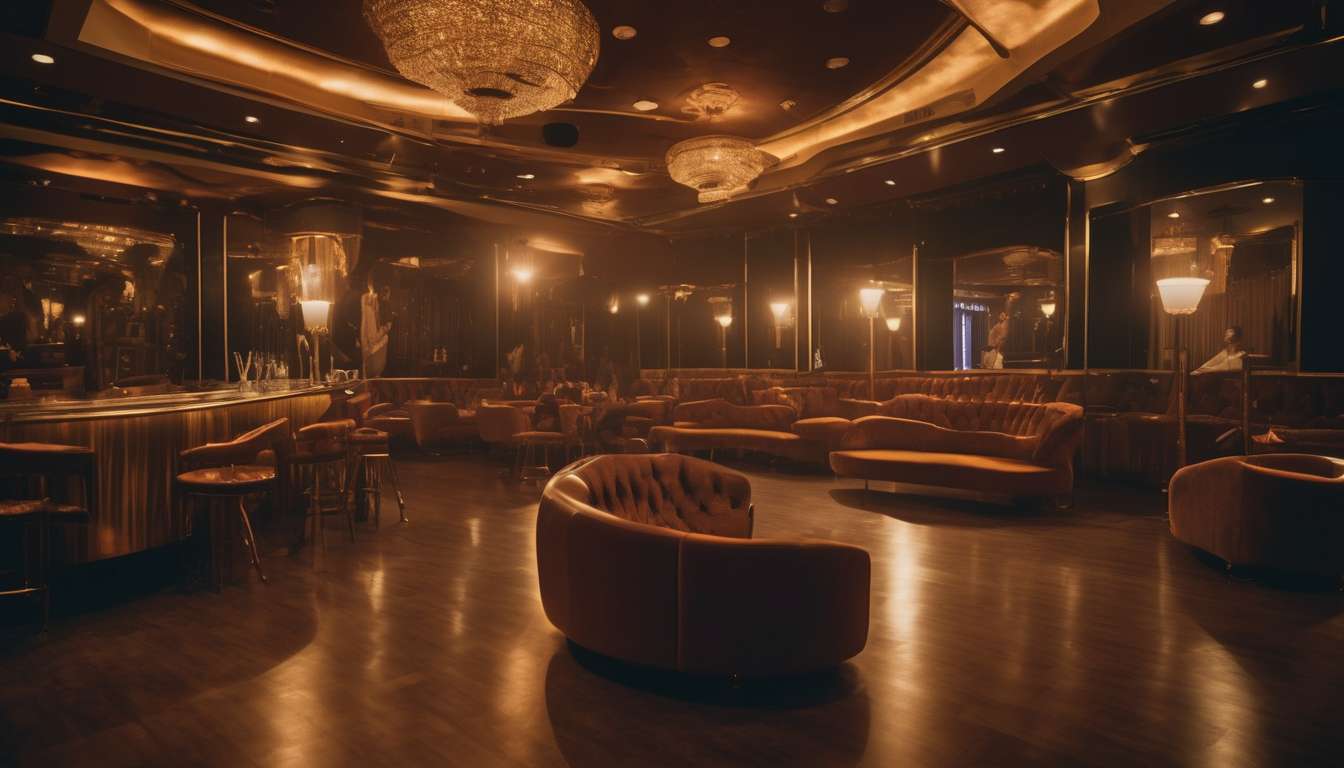
Rarely do labor laws and neon lights appear in the same conversation, yet we find them increasingly intertwined as workplace standards reshape exotic dancing venues.
We recognize that discussions about safety protocols, fair wages, and scheduling practices sound more like corporate memos than club culture, but that unexpected connection is transforming the industry.
We have watched performers, managers, and policymakers negotiate new norms that prioritize dignity without erasing the art form’s distinctive flair.
We see venues adopting clearer reporting channels, harassment safeguards, and transparent pay structures while preserving creative expression and patron experience.
We understand the tension between regulation and autonomy, and we aim to explore how these evolving standards influence:
- Club economics — revenue models, tipping vs. wage balance, and compliance costs.
- Performer agency — bargaining power, collective organization, and career sustainability.
- Public perception — stigma reduction, community relations, and regulatory narratives.
We believe that examining this intersection sheds light on broader questions about labor rights in informal and entertainment sectors.
We will map the challenges and opportunities that arise when workplace protections meet the pulsing rhythms of the night.
Regulatory Landscape Overview
We’ll begin by mapping the key federal, state, and local regulations that shape how exotic dancing venues must operate.
We recognize that exotic dancing regulations come from multiple layers—labor law, licensing, zoning, and health codes—and we want everyone in our community to feel informed and included.
We note federal standards like minimum wage baselines and anti-discrimination laws, while state statutes often define licensing requirements, permissible performance areas, and age verification.
Local ordinances add zoning, hours, and venue-specific safety mandates.
We also examine how wage and employment models—employee vs. independent contractor status, tip reporting, and commission structures—intersect with those rules and affect financial stability.
While we won’t delve into specific safety protocols here, we acknowledge that worker safety and harassment concerns are central to regulatory intent and influence licensing and enforcement practices.
By mapping this landscape together, we create a shared foundation for venues, workers, and regulators to build clearer, fairer standards that foster belonging and accountability.
Safety and Harassment Protocols
We’ll establish clear, enforceable protocols that prevent harassment, address threats, and ensure prompt reporting and response for everyone on the floor.
We prioritize worker safety and harassment prevention by creating:
- Straightforward incident reporting systems.
- Anonymous tip channels.
- Mandatory de-escalation training for staff and management.
We align these protocols with local exotic dancing regulations so policies aren’t just aspirational but legally sound and practicable.
We commit to transparent investigation timelines and impartial adjudication, including:
- Adjudication panels with performer representatives.
- Timely remedies that restore safety and dignity.
We ensure security staff are trained to protect performers, not to act as gatekeepers of abuse.
We design shift and floor rosters to reduce isolated work and encourage peer support, recognizing how wage and employment models can influence vulnerability and access to protections.
We maintain regular policy reviews with performers, management, and legal advisors, and we publish clear, accessible guides so everyone feels included, informed, and empowered to act when standards are breached.
Wage Models and Compensation
Transparent, fair compensation structures
We’ll establish compensation that prioritizes predictable base pay, equitable tip distribution, and clear rules for commissions and fees. Our compensation will reflect respect for performers’ labor and support a sense of belonging on every shift.
Documented, easy-to-understand wage and employment models
We’ll document wage and employment models so they are easy to understand and aligned with local exotic dancing regulations, ensuring everyone knows their rights and earnings.
Tip and fee policies decided with performer input
We’ll adopt tip pooling or individual distribution systems only after consulting performers.
- We’ll publish formulas for:
- commissions,
- house fees,
- penalties.
Pay practices linked to safety and reporting
We’ll link pay practices to worker safety and harassment policies so that reporting incidents won’t jeopardize income.
-
Dispute-resolution steps will be:
- timely,
- transparent.
-
Payroll statements will clearly separate:
- wages,
- tips,
- deductions.
Ongoing review and staff involvement
We’ll review pay structures regularly with staff input to correct inequities and adapt to legal changes.
Outcome
By centering fairness and clarity, we’ll build trust, reduce conflict, and strengthen our community of performers.
Scheduling and Employment Status
We’ll create predictable, flexible schedules and clearly define employment status so performers can plan their lives and understand their workplace rights.
We’ll set posting cadences, minimum shift guarantees, and easy swap procedures, so everyone knows when they’re expected and can balance caregiving, education, or second jobs.
We’ll clarify whether performers are employees, contractors, or a hybrid, explaining how each status affects taxes, benefits, and protections under exotic dancing regulations.
We’ll adopt transparent hiring paperwork and written shift offers to reduce disputes and protect worker safety and harassment reporting paths.
We’ll align scheduling with fair wage and employment models, preventing unpaid on-call time and ensuring tip credits or guaranteed pay are documented.
We’ll create shared calendars and advance notice standards that build trust and belonging, and we’ll train managers to honor schedules and respond to change requests promptly.
By embedding these practices, we’ll make venues more stable, equitable, and safe for everyone who works and belongs there.
Unionization and Collective Power
We’ll support performers’ efforts to organize, bargain collectively, and build worker-led structures so they can negotiate fair pay, safer conditions, and stronger protections together.
We know collective power gives us belonging and influence. By forming unions and associations, we create accountable forums to shape exotic dancing regulations that affect our livelihoods.
We’ll prioritize clear channels for reporting worker safety and harassment.
- Enforceable policies that management must follow.
- Accessible training and response systems so workers know how to report and get support.
We’ll examine wage and employment models together to ensure everyone understands implications and trade-offs.
- Compare tips versus guaranteed minimums.
- Analyze employee versus contractor status.
- Evaluate revenue-sharing approaches.
We’ll use democratic decision-making to set bargaining goals and coordinate actions.
- Elect stewards.
- Set priorities through member votes.
- Coordinate collective actions that protect the most vulnerable.
We’ll share resources, legal guidance, and solidarity campaigns across venues to strengthen bargaining leverage.
We’ll demand transparency from operators and policymakers, and keep communication open so members feel heard, supported, and empowered as we collectively improve working conditions and economic dignity.
Licensing and Compliance Costs
Many venues face substantial licensing and compliance costs.
We will identify predictable fees, required upgrades, and administrative burdens that affect performers’ incomes and venue viability.
Common administrative and regulatory costs to map:
- Permit and license fees — local business licenses, adult-entertainment permits, liquor licenses, and renewals.
- Inspection and certification costs — fire, building, health, and safety inspections; associated remediation.
- Mandatory training and background checks — staff/performer training (e.g., harassment prevention, first aid), fingerprinting, or other vetting.
Required physical upgrades that reduce risk and uphold safety protections:
- Lighting and sightlines — installations that improve visibility to prevent harassment and unsafe behavior.
- Security systems — cameras where lawful, alarm systems, and controlled access.
- Designated changing and amenities — private, secure changing areas and clean facilities to protect worker dignity and safety.
How expenses intersect with wage and employment models:
- Employee classification — payroll taxes, overtime, benefits expectations, and employer liability.
- Independent contractor classification — different tax responsibilities, less employer-provided benefits, and distinct legal exposure.
- Hybrid or mixed models — partial benefits or stipends paired with contractor arrangements can complicate compliance.
Practical steps to estimate and manage costs:
- Create clear budgets that list permit schedules, renewal dates, and inspection timelines so fees are predictable.
- Estimate monthly compliance outlays by amortizing one-time upgrade costs over the equipment lifespan and adding recurring permit/training costs.
- Explore cost-sharing mechanisms such as:
- venue-paid bulk training or group background checks,
- sliding fees or revenue shares that protect performers’ take-home pay,
- pooled funds for shared security upgrades in multi-venue districts.
Transparency and administrative practices that build trust:
- Publish a compliance calendar showing upcoming fees, renewals, and training dates.
- Share budget line-items with performers or worker representatives so everyone understands where revenue is allocated.
- Institute respectful, safety-first policies and clear reporting channels for harassment or safety incidents.
By mapping fees, required physical upgrades, and employment-model impacts — and by using shared budgeting and transparent cost-sharing — venues can remain solvent while prioritizing respectful, safe workplaces and protecting performers’ incomes.
Community Relations Strategies
We will build proactive community relations by engaging neighbors, local businesses, and officials to reduce stigma, address concerns, and create cooperative safety and neighborhood-improvement plans.
We will host regular town‑hall style meetings where residents and venue staff exchange perspectives, and we will invite regulators to clarify how proposed exotic dancing regulations shape operations.
We will create a community liaison role to ensure everyone feels included and heard; this person will coordinate follow-ups, safety audits, and joint problem‑solving.
We will highlight commitments to worker safety and harassment prevention through:
- shared, transparent policies;
- joint training sessions with local nonprofits;
- accessible reporting channels that reassure both performers and neighbors.
We will openly discuss wage and employment models so the community understands staffing practices, pay fairness, and benefits, which reduces misconceptions.
We will partner with nearby businesses on environmental and safety improvements, including:
- improved lighting;
- better transport coordination;
- noise mitigation measures.
By centering respect, accountability, and shared goals, we will foster durable trust that strengthens neighborhoods and supports sustainable, safe venues.
Future Trends and Innovations
We’ll explore emerging technologies, operational models, and policy shifts that are likely to reshape how venues run, protect staff, and engage communities.
Smart-safety technology will integrate with venue design to reduce risks and improve worker safety and harassment responses.
- Panic buttons, wearable trackers, and real-time incident reporting will connect to centralized monitoring and response workflows.
- Integration with physical design (sightlines, secure egress, staff-only zones) will improve prevention and response times.
- Data from these systems can identify hotspots and recurring issues for targeted interventions.
Transparent scheduling platforms and digital pay systems enable experimentation with alternative wage and employment models.
- Guaranteed hourly floors to provide income stability.
- Hybrid revenue-sharing arrangements to preserve flexibility and incentive alignment.
- Real-time payout options and clear shift logs to reduce disputes and improve financial security.
Data-driven training programs and anonymous feedback channels will strengthen accountability and inform regulations that center dignity and inclusion.
- Training informed by incident data and best practices improves relevance and retention.
- Anonymous reporting encourages disclosure without fear of retaliation and feeds continuous improvement.
- Policy design can prioritize dancer agency, consent, and anti-harassment measures grounded in operational realities.
Licensing and compliance are shifting toward outcome-based standards that reward effective harm reduction and community partnerships.
- Compliance metrics focused on measurable protections (response time, incident resolution, worker satisfaction) rather than purely prescriptive measures.
- Incentives for venues that demonstrate sustained improvements and partnerships with local services.
Collaborative policy pilots between managers, performers, advocates, and regulators will refine best practices.
- Multi-stakeholder pilots allow rapid iteration and evidence gathering.
- Shared governance structures help align incentives and build trust across constituencies.
By committing to iterative innovation, shared governance, and measurable protections, venues can become places where everyone belongs, feels secure, and prospers.
- Anticipate challenges through continuous evaluation and adaptive policy.
- Prioritize humane, practical solutions that balance safety, dignity, and business sustainability.
How do venues handle performers who request name or identity changes mid-contract to protect privacy or for personal reasons?
We handle mid-contract name or identity changes with care and respect.
We review the contract terms to identify what can be changed and what requires amendment.
We discuss safety and privacy needs with the performer to understand disclosure preferences and any risks.
We update records and materials where possible:
- Stage names
- Marketing materials
- Payroll records
We set and enforce boundaries by working with performers to specify who may disclose their identity and under what circumstances, and by retraining staff on confidentiality expectations.
We negotiate changes when necessary:
- Amend contract terms if required.
- Offer temporary accommodations when full amendments aren’t immediately possible.
Our priorities are to protect dignity and foster a sense of belonging.
What mental health resources or counseling programs are available specifically tailored for exotic dancers beyond general workplace EAPs?
We’re asking what mental health supports exist beyond general EAPs.
Specialized peer and group supports:
- Dancer-led peer support groups offer lived-experience understanding and mutual aid.
- Workshops run by organizations cover boundary-setting, financial wellness, and harm reduction.
Trauma-informed and culturally competent clinicians:
- Trauma-informed therapists familiar with sex work provide safer clinical care.
- LGBTQ+-affirming services ensure care respectful of gender and sexual diversity.
Low-cost and sliding-scale clinical options:
- Low-cost clinics and sliding-scale counselors increase accessibility for performers.
- Nonprofit programs often offer counseling, crisis lines, and legal-advocacy referrals.
Resource connection and navigation:
- Organizations compile and share vetted resource lists so performers can find culturally competent care.
- Referrals and partnerships with legal-advocacy services help address intersecting needs.
Are there standardized best practices for de-escalation and conflict resolution with patrons that differ from regular hospitality training?
Some venues adopt standardized de-escalation practices beyond regular hospitality training, emphasizing safety, boundaries, and trauma-informed language.
We use clear, nonconfrontational scripts, team coordination signals, and designated security protocols tailored to patron interactions.
We prioritize consent, minimize physical contact, and train staff to spot signs of escalation.
We practice post-incident support and debriefs so everyone feels supported and included while maintaining safety and dignity.
Conclusion
You’re navigating a changing landscape where workplace standards will shape every aspect of exotic dancing venues.
Prioritize clear safety and harassment protocols.
- Establish and enforce written policies.
- Provide regular training for staff and performers.
- Implement confidential reporting and rapid response procedures.
Adopt fair wage models and transparent scheduling.
- Ensure predictable shift assignments and notice periods.
- Consider wage structures that reduce reliance on tips and protect performers’ incomes.
- Publish clear payout and fee policies.
Use sensible licensing and regulation to protect performers and venues.
- Advocate for balanced rules that enhance safety without imposing prohibitive costs.
- Work with regulators to align inspections and requirements with realistic operations.
Embrace collective power and community engagement.
- Support performer-led organizations and unions.
- Build relationships with local stakeholders to reduce stigma and increase acceptance.
- Offer outreach and education to neighbors, law enforcement, and policymakers.
Adopt innovations to reduce costs and boost legitimacy.
- Use technology for scheduling, security, and transparent accounting.
- Share best practices across venues to lower compliance burdens.
- Explore cooperative business models.
Stay proactive and collaborative.
- Engage stakeholders early when regulations change.
- Monitor legal developments and adapt policies accordingly.
- Prioritize ethical, legal, and sustainable practices so your venue can thrive into the future.