
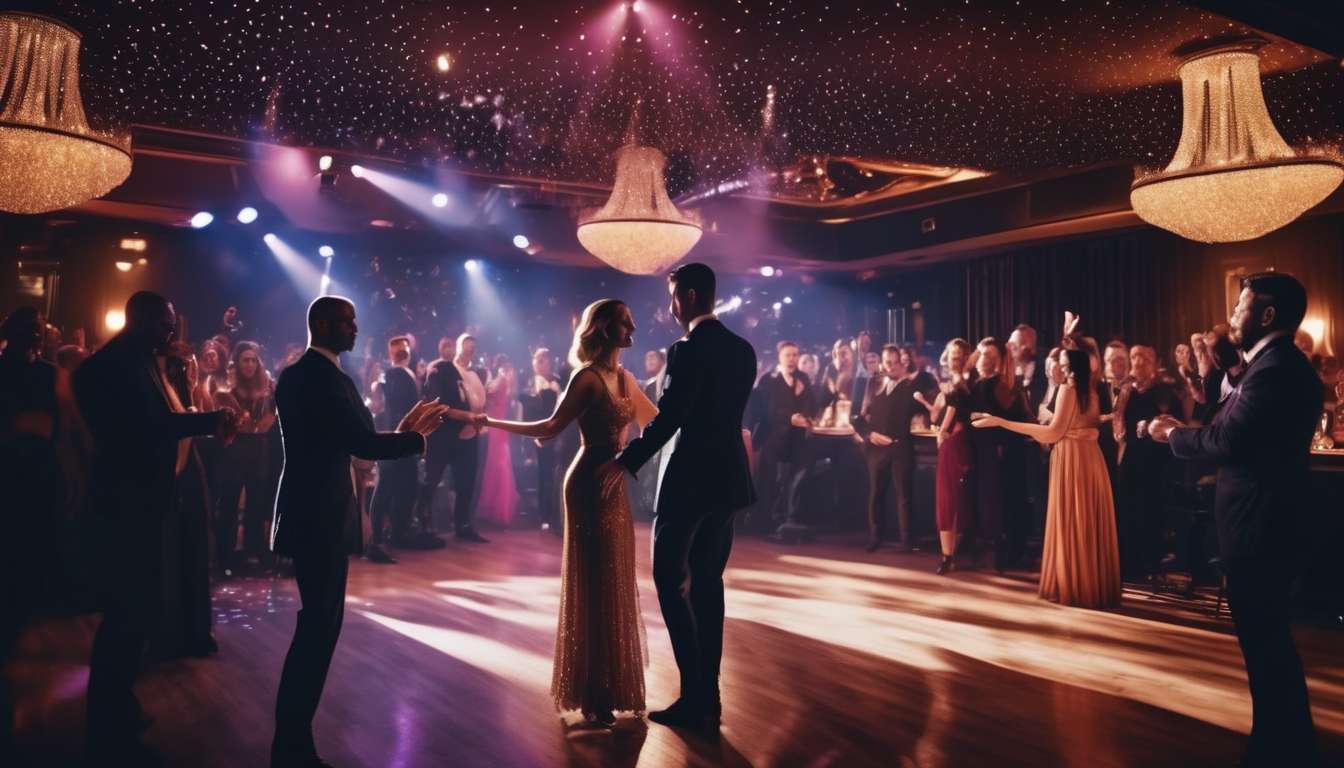
"Bridges are built not only with steel but with shared ideas."
We believe that metaphor captures the shift we’re witnessing as event partnerships expand opportunities for exotic dancing venues. By aligning with festivals, corporate events, and private celebrations, we create crossings between traditionally separate audiences and performance styles.
Clubs and planners are collaborating to craft curated experiences.
- Club owners are working with event planners to design presentations that honor artistry while reaching new patrons.
- Dancers are gaining access to diverse work settings, safer contracts, and higher pay through formalized partnerships.
Community responses are changing when presentations emphasize consent, professionalism, and storytelling.
- Many community members react with curiosity rather than condemnation.
- Framing performances as artistic expression helps reduce stigma and opens dialogue.
Challenges remain, but momentum toward legitimacy and innovation is growing.
- Licensing and zoning issues still need resolution.
- Persistent social stigma requires ongoing education and advocacy.
Together, strategic alliances can redefine venues as multifaceted cultural spaces.
We envision places where dance is both entertainment and expression, and where opportunity grows as walls come down and bridges go up.
Building Strategic Alliances
We form strategic alliances with event organizers and venue owners to broaden performance opportunities and streamline logistics.
We build event partnerships that feel like extended family.
- Share goals, calendars, and mutual respect so everyone knows where they fit.
- Create clear roles and expectations to reduce friction and increase trust.
We negotiate safety contracts clearly and collaboratively.
- Ensure performers and staff feel protected.
- Meet venue legal and reputational requirements.
We coordinate rehearsals, load-ins, and promotion with concrete timelines.
- Keep surprises to a minimum and trust high.
- Use shared schedules and checklists to align teams and vendors.
We pursue audience expansion thoughtfully.
- Invite diverse patrons through targeted outreach.
- Align with venues that value inclusion.
We celebrate small wins together.
- Recognize packed nights, glowing feedback, and repeat bookings.
- Reinforce belonging through repeated, respectful collaboration.
We measure success in sustained relationships, not one-off gigs.
- Higher retention.
- Smoother operations.
- Communities that welcome us back.
We keep communication direct, agreements written, and expectations mutual.
- Strengthen each partnership’s collective sense of purpose and opportunity.
- Prioritize clarity and follow-through to build long-term trust.
Curating Collaborative Events
We’ll design collaborative events that combine our performers’ strengths with partner resources to create cohesive, memorable shows that serve both artistic goals and business needs.
We’ll start by aligning visions with partners who value inclusion and shared success, so every team member and patron feels welcomed.
Programming
- We plan programming that highlights diverse talents.
- We’ll sequence acts for smooth flow and audience engagement.
- We’ll layer promotional efforts to drive audience expansion across partner networks.
Roles, timelines, and responsibilities
- We’ll set clear roles for staff and performers.
- We’ll establish production timelines and deadlines.
- We’ll assign marketing responsibilities and points of contact.
Resource and creative pooling
- We’ll use event partnerships to pool budgets and venues.
- We’ll collaborate on creative direction to ensure a unified show.
Operational clarity and safety
- We’ll communicate openly about accessibility, crowd management, and emergency plans.
- We’ll keep operational details straightforward and actionable.
- We’ll prioritize transparent agreements, including safety contracts, to protect wellbeing and build trust.
Measurement and improvement
- We’ll measure outcomes with ticket metrics and sales data.
- We’ll track social engagement and promotional reach.
- We’ll collect performer and partner feedback to refine future collaborations.
Community and sustainability
- By treating partners and performers as part of our community, we’ll build repeatable formats that honor artistry and sustainability.
- We’ll focus on reputational and financial growth while fostering belonging for all participants.
Contracting for Safety
We will draft clear, enforceable contracts that define safety responsibilities, required training, and consequences for violations to protect performers, staff, and patrons.
Safety contracts will be central to every event partnership agreement so everyone knows boundaries, reporting processes, and emergency protocols.
By specifying roles — venue, promoter, talent, and security — we reduce ambiguity and build mutual trust.
We will require documented training on:
- De-escalation
- Consent communication
- Crowd management
We will schedule joint rehearsals so teams can practice response plans together.
Incident reporting will include:
- Clear timelines for reporting
- Confidentiality terms
- Defined remediation steps
Remediation will be enforceable and may include suspension or termination clauses when breaches occur.
We will include provisions that support inclusivity, such as:
- Restoration options
- Access to mental health resources
- Feedback loops that let performers and staff shape policies
These contracts will be the backbone for sustainable collaboration — enabling safer events, supporting responsible audience growth, and keeping our community’s wellbeing front and center.
Expanding Audience Reach
Goal: broaden audience reach while retaining core supporters.
Strategy: combine targeted marketing, community partnerships, and diversified programming to both attract new patrons and keep existing ones.
Community partnerships
- Partner with local arts groups, LGBTQ+ centers, and music collectives.
- Purpose: create authentic event collaborations that welcome people seeking shared, safe experiences.
Safety and inclusion
- Promote inclusive themes and set clear venue expectations.
- Reference safety contracts in outreach so guests know you prioritize consent and wellbeing.
Programming
- Design varied event nights that mix:
- Dance showcases.
- Themed socials.
- Educational panels.
- Purpose: offer multiple entry points for newcomers and deepen loyalty among regular attendees.
Measurement and adaptation
- Track simple metrics: repeat attendance, referral sources, and community feedback.
- Adapt programming based on what feels inviting and what the metrics indicate.
Staff and collaborator training
- Train staff/collaborators to embody warmth and consistency.
- Outcome: every visitor feels seen and part of the community.
Summary: by aligning targeted partnerships, transparent safety practices, and purposeful programming, you will grow an engaged, diverse community that values belonging as much as entertainment.
Addressing Legal Hurdles
We proactively identify and resolve zoning, licensing, and liability issues so our event partnerships can operate legally and sustainably.
We review local ordinances together, map permit timelines, and designate clear responsibilities so everyone knows who files what and when.
We negotiate contracts that include safety provisions outlining emergency procedures, security roles, and insurance requirements, and we keep copies accessible to all partners.
We establish standard operating procedures for venue compliance, crowd control, and performer agreements that protect dignity and rights while minimizing legal exposure.
We consult attorneys familiar with adult-entertainment and hospitality law to draft modular clauses usable across collaborations, reducing friction and cost.
By embedding compliance checkpoints into planning, we make sure audits and renewals don’t derail momentum.
This rigor supports audience expansion by building trust with venues, local authorities, and new patrons.
When people feel invited into a professionally run, protected environment, they join us more readily.
Together, we create sustainable models that let community-focused events thrive.
Reducing Community Stigma
Community engagement to dispel myths and build trust
We’ll actively engage neighbors, local leaders, and advocacy groups to dispel myths, share facts, and highlight the cultural and economic benefits of thoughtfully produced exotic-dancing events.
We’ll host community forums and invite stakeholders to see our venues, meet performers, and learn how event partnerships improve transparency and standards.
We’ll listen to concerns, respond with clear policies, and co-create safety contracts that protect performers and patrons while signaling our commitment to responsible operations.
Inclusivity, transparency, and evidence-based outreach
We’ll emphasize inclusivity by offering community-access sessions, open-house tours, and moderated Q&A panels that normalize diverse forms of adult entertainment and build trust.
We’ll share measured outcomes—employment numbers, local spending, and documented safety improvements—to counter stigma with evidence.
We’ll run outreach campaigns that celebrate performers’ artistry and professionalism, helping residents feel connected rather than alienated.
Goals and expected outcomes
- Foster ongoing dialogue between venues and the community.
- Increase transparency and accountability through visible policies and safety contracts.
- Reduce stigma by sharing concrete economic and safety data.
- Expand audiences responsibly while honoring performer safety and neighborhood concerns.
By centering communication, collaboration, and measured audience-expansion strategies, we’ll transform perceptions and make our venues welcomed parts of the neighborhood fabric.
Revenue Diversification Models
Revenue diversification to stabilize income and fund performer-focused investments.
- We’ll pursue multiple revenue streams:
- Ticketed performances.
- Private bookings.
- Merchandise and digital content.
- Food and beverage partnerships.
- Venue rentals.
Event partnerships to share promotion and risk.
- We’ll build themed nights and collaborative bookings that:
- Bring in partner audiences.
- Share promotional costs and exposure.
- Distribute risk so all partners benefit.
Clear safety contracts to protect staff and talent.
- We’ll offer written safety agreements that:
- Define expectations and acceptable behavior.
- Specify protections, reporting procedures, and consequences.
- Are provided to performers and crew before any show.
Membership tiers and digital passes for recurring support and audience growth.
- We’ll design offerings that:
- Create recurring revenue through tiered benefits.
- Welcome diverse patrons with accessible price points.
- Expand the audience while maintaining community values.
Co-branded food and drink partnerships to increase per-guest spend and support local vendors.
- We’ll coordinate with neighborhood businesses to:
- Offer co-branded menu items.
- Highlight vendors to patrons.
- Share revenue or promotional responsibilities.
Transparent structure for private and corporate rentals.
- We’ll offer rental packages that:
- Include clear terms and pricing.
- Provide optional on-site staffing.
- Ensure hosts feel confident while performers remain respected.
Outcome: sustainable, inclusive venue built on diversification and protection.
- By combining multiple revenue streams, intentional partnerships, and protective agreements, we’ll create a venue where performers and patrons feel included, safe, and invested in our collective success.
Measuring Partnership Impact
We’ll track clear, quantifiable metrics—like attendance lift, co-promotion reach, per-guest spend, performer earnings, and incident reports—to measure each partnership’s real impact.
We’ll set shared KPIs with partners so everyone knows what success looks like and feels invested in outcomes.
For each event partnership we’ll assess baseline figures, then compare post-event data to isolate gains tied to collaboration.
We’ll include safety contracts as a metric axis.
- Adherence rates
- Incident resolution time
- Compliance training completion
These tell us whether partnerships strengthened our collective duty of care.
We’ll map audience expansion by tracking:
- New guest sources
- Repeat visitation
- Demographic shifts
This ensures inclusivity grows alongside revenue.
Reporting will be transparent, concise, and circulated to staff, performers, and partners so the whole team sees progress and can suggest improvements.
When results fall short, we’ll iterate on promotion, logistics, or contract terms together.
That collaborative feedback loop keeps us aligned, accountable, and growing as a welcoming community.
How do performers protect their personal branding and stage personas when partnering with venues or promoters who might want to rebrand events?
When partners want to rebrand events, prioritize clear boundaries.
Negotiate written agreements that specify how your name, image, and performances may be used.
Put usage limits in writing (time, geography, media types) and include termination clauses tied to misuse.
Keep control of imagery and social media access.
- Retain ownership or licensed control of your photos, videos, and logos.
- Limit partner access to official social accounts; use shared accounts only with strict permissions.
- Require partner to remove or cease use of imagery on notice.
Reserve approval rights for rebranding.
- Build in approval/consent clauses for any change to event names, promotional materials, or on‑site branding that uses your persona.
- Define what “rebranding” means in the agreement so there’s no ambiguity.
Collaborate on co‑branding that respects your identity.
- Agree on visual treatment, placement, and size of your name/logo.
- Create brand guidelines for partner use and require adherence.
Document revenue, credit, and enforcement terms.
- Specify payment, revenue splits, and crediting protocols in writing.
- Include breach remedies: injunctive relief, termination rights, and fee recovery.
- Set a process for disputes (mediation/arbitration) and governing law.
Support one another in enforcing those protections.
- Share expectations with partners early and follow up in writing.
- Coordinate public messaging if changes occur to protect reputations.
- Enlist legal counsel for contract drafting and enforcement when needed.
What specific insurance policies should individual performers carry versus what the venue typically provides, and how are costs usually split?
Which insurance performers should carry vs. what venues usually provide
Performers should carry:
- Personal liability — protects the performer for claims arising from their own actions.
- Instrument/equipment/costume insurance — covers loss, theft, or damage to the performer’s gear and wardrobe.
- Health/accident or supplemental disability — covers medical costs or lost income if the performer is injured or ill.
Venues usually provide:
- General liability — covers third‑party bodily injury and property damage occurring on the premises.
- Property — insures venue property and fixtures.
- Liquor liability — covers claims related to the service of alcohol (when applicable).
How costs are typically split
Standard arrangement:
- Venues pay for venue‑wide policies (general liability, property, liquor).
- Performers pay for personal coverages (equipment, personal liability, health/disability).
Variations and special cases:
- For special events or festivals, venues may negotiate to reimburse or share costs for required performer policies (for example, when promoter requires all acts to carry specific coverage).
- Contracts often specify which party is responsible for certificates of insurance and any additional insured endorsements.
- Negotiation point: performers can request venue to cover or split certain costs (or provide a rider) as part of the booking fee or contract terms.
How can performers and small independent studios verify the reputations and reliability of potential partners before signing contracts?
Current Question: How can performers and small independent studios verify the reputations and reliability of potential partners before signing contracts?
Key verification steps:
- Check references.
- Read reviews.
- Contact past collaborators.
- Verify licenses and insurance.
On-site and observational checks:
- Visit venues.
- Observe events.
- Trust gut instincts.
Legal and community safeguards:
- Use written agreements.
- Seek peer recommendations from the community.
- Consult a lawyer or mentor when unclear.
Conclusion
You’ve seen how event partnerships can open new venues for exotic dancing by building strategic alliances, curating collaborative events, and contracting for safety.
By expanding audience reach, addressing legal hurdles, and reducing community stigma, you’ll diversify revenue models and measure impact more effectively.
When you approach partnerships thoughtfully, you create safer, more sustainable opportunities that benefit performers, promoters, and communities alike — turning isolated shows into integrated cultural offerings that thrive long-term.