
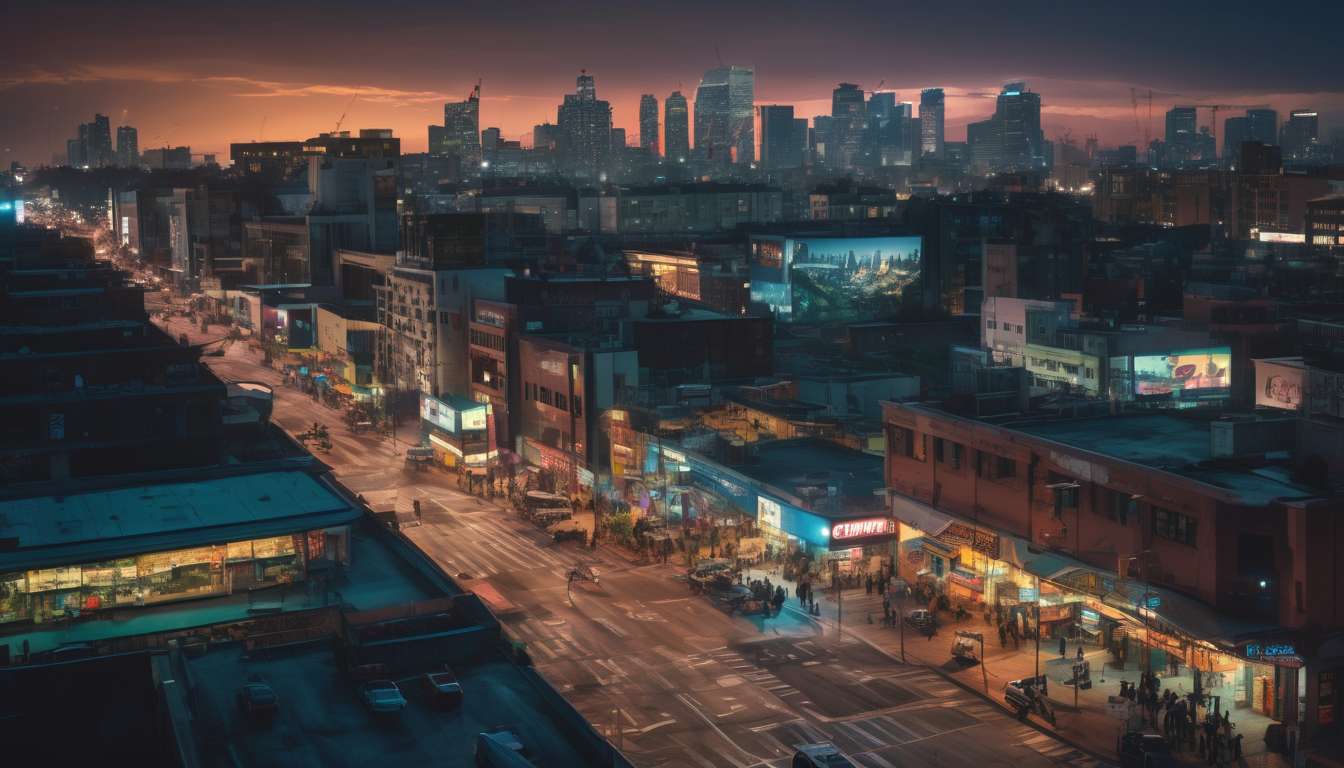
Governing bodies silently choreograph where neon lights bloom and where they do not.
We argue that urban planning—through zoning codes, transportation investments, and neighborhood revitalization projects—directly shapes the geography of exotic dancing venues, often with consequences far beyond aesthetics.
Policy choices produce distinct spatial patterns.
- Examples include:
- clustering clubs in transit-poor districts,
- pushing performers toward industrial corridors,
- dispersing venues to minimize perceived social impacts.
Each of these decisions rearranges livelihoods, safety, and economic opportunity.
Methods: we combine multiple sources to reveal those consequences.
- We examine:
- maps,
- municipal meeting minutes,
- the lived experiences of dancers and proprietors.
Findings: ostensibly neutral regulations reflect values and power dynamics.
We contend that framing exotic dance as an isolated vice misses the larger interactions at work.
- Land use, public safety priorities, and market forces interact to produce spatial outcomes.
Aim: move past moralistic debates toward evidence-based conversations.
- Priorities to center:
- equity,
- worker rights,
- community planning practices that acknowledge the sector’s realities.
Zoning and Venue Siting
We examine how zoning laws and siting decisions shape where exotic dancing venues can operate and who they affect.
Zoning is a planning tool that either confines venues to industrial edges or pushes them near residential zones, and that choice matters to communities.
When regulations cluster venues away from central corridors, they can trigger displacement of workers, reduce visibility, and isolate staff from support networks.
Siting rules often reflect neighborhood values but can also reinforce exclusion; we want spaces where everyone feels respected and included.
We’re concerned with safety: placement affects lighting, police response times, and access to emergency services, and thoughtful zoning can improve conditions rather than punish venues.
Together, we can advocate for policies that balance neighborhood character, worker rights, and public safety.
By sharing data and caring for one another, we strengthen belonging while demanding fair, evidence-based siting decisions that minimize harm and support thriving neighborhoods.
Transportation and Access
Reliable, affordable transportation and clear pedestrian routes are essential.
We need transit and walking/biking infrastructure so workers and patrons can reach venues safely, affordably, and without long isolating detours.
Transit access shapes inclusion in nightlife.
When buses, trains, and bike lanes connect venues to neighborhoods, people stay included instead of being cut off. We advocate planning that coordinates zoning with transit investments so clubs aren’t stranded on car-dependent corridors or pushed into areas with poor service.
Protect against displacement when access improves.
Improved transportation can raise rents and change neighborhood character, so we support measures that protect workers and small venue operators from displacement.
Safety is central and must be community-informed.
- Well-lit streets, clear crosswalks, and well-timed transit reduce risks for late-shift workers and patrons.
- Community-informed design should address harassment, isolation, and other safety concerns.
Policy approach: treat transportation as inclusive nightlife infrastructure.
- Coordinate mobility investments with zoning and land-use planning.
- Include anti-displacement tools (rent protections, small-business supports).
- Implement safety interventions guided by community input.
Together these priorities balance mobility, anti-displacement measures, and safety, so everyone who belongs in our city can get where they need to go.
Economic Displacement Dynamics
Many of the same transit and development pressures that improve access also push up rents and operating costs.
We need policies that keep dancers, staff, and small venue owners from being priced out.
Zoning changes, commercial redevelopment, and rising property values create displacement that fragments communities and erodes informal support networks.
Planning approaches should recognize venues as social and economic anchors, not just land uses to be relocated.
- Explore targeted rent stabilization for cultural and nightlife venues.
- Consider inclusionary zoning for cultural spaces to ensure affordable operational space is preserved.
- Create grant programs to help cover retrofit or compliance costs so small businesses can stay viable.
Prioritize community-driven development tools that let workers and owners co-create solutions.
- Require impact assessments before approvals that quantify displacement risks.
- Include proposed mitigation measures as part of approval conditions.
By centering belonging, economic resilience, and basic safety in policy design, we can maintain diverse nightlife ecosystems where people who rely on these venues can continue earning, connecting, and contributing to neighborhood life.
Safety and Surveillance
Many venues face heightened risks from violence, harassment, and theft, so we need policies that balance protective measures with dancers’ privacy and autonomy.
Safety is more than cameras and locks.
It’s about creating environments where people feel seen and supported.
Zoning and displacement harm safety.
When zoning pushes clubs to peripheral areas, displacement can:
- isolate workers from supportive networks,
- reduce access to transit and emergency services, and
- separate people from allies and community resources.
We advocate for participatory safety planning that centers dancers’ voices.
- Dancers should help choose surveillance types.
- Dancers should shape staff training priorities.
- Dancers should help define clear incident-reporting protocols.
Prioritize noninvasive measures over pervasive monitoring.
- Improved lighting
- Staffed entry points
- Panic buttons
- Trained peer responders
Collaborations can integrate safety without stigmatizing venues or causing displacement.
- Venue operators working with neighborhood organizations and municipal planners
- Policy approaches that avoid punitive restrictions which push operations out of supportive areas
By working together, we can design policies that protect bodies and livelihoods, respect privacy, and build community-based responses that make venues welcoming and secure for everyone who belongs there.
Regulatory Enforcement Patterns
Uneven enforcement shapes where and how exotic dancing venues operate.
We observe that enforcement often reflects local politics, resource constraints, and community pressure, producing inconsistent outcomes across neighborhoods. This inconsistency directly influences business decisions and neighborhood character.
Mechanisms of uneven enforcement:
- Selective permitting — some venues receive permits more easily while others face greater hurdles.
- Targeted code enforcement — inspections and code citations are applied more often in certain areas.
- Sporadic raid patterns — law enforcement actions occur unpredictably and unevenly.
Consequences of inconsistent enforcement:
- Displacement — venues move to neighborhoods with fewer resources or weaker oversight, shifting economic activity and concentrations of risk.
- Arbitrary outcomes — businesses and workers face uncertainty that can harm livelihoods and community stability.
Policy goals:
- Balance neighborhood concerns with venues’ rights.
- Reduce arbitrary and politicized enforcement.
- Protect worker safety and public order without unfairly singling out businesses.
Recommended principles for reform:
- Transparent standards for what triggers inspections, citations, or permit denials.
- Predictable permitting processes with clear criteria and timelines.
- Community-informed enforcement that includes input from residents, venue workers, owners, and urban planners.
- Consistent application of codes and laws across neighborhoods to prevent displacement driven by unequal oversight.
Stakeholder engagement:
We invite residents, workers, owners, and planners to collaborate on designing enforcement protocols that are fair and effective.
Together we can reduce politicized enforcement, limit displacement caused by unequal oversight, and build shared expectations that support safety, dignity, and belonging across affected communities.
Community Revitalization Effects
When neighborhoods undergo revitalization, the clustering or relocation of exotic dancing venues can reshape local economies, housing markets, and social networks.
Zoning changes often guide where venues can operate.
- They can concentrate venues in entertainment districts.
- Or they can push venues to peripheral areas.
These shifts can bring economic benefits.
- New foot traffic and cash flow can benefit nearby businesses.
- Shared gathering spots can help residents feel more connected.
There is a real risk of displacement.
- Rising rents and redevelopment can force long-standing venues to close or move.
- That alters the social fabric and can erase familiar places people rely on.
Safety must be addressed proactively.
- Design streetscapes, lighting, and transit access to improve security.
- Consider the needs of performers, patrons, and neighbors alike.
Centering community input and equitable zoning can reduce harms.
- Engage stakeholders early and often.
- Use zoning practices that avoid disproportionately displacing vulnerable groups.
The goal is inclusive revitalization that preserves belonging as neighborhoods evolve.
Lived Experiences of Dancers
Many dancers juggle multiple jobs, caregiving responsibilities, and unpredictable schedules while relying on clubs for income, community, and sometimes housing support.
We share stories of late-night shifts, split paydays, and the ways venues become chosen families where people check on one another.
Zoning changes and redevelopment pressure threaten venues and the networks that sustain us.
- A single permit denial or new commercial plan can trigger displacement.
- Displacement affects not only workplaces but also the informal support systems tied to those spaces.
Consistent, well-managed spaces provide critical safety and stability.
- Trained security and clear entry policies create safer work environments.
- Policy or neighborhood shifts can erode these safeguards, increasing risk.
Community mutual aid keeps people afloat amid precarity.
- Ride-sharing arrangements
- Pooled childcare
- Informal housing help
- Other forms of mutual support and resource sharing
We live with the precarity that comes when our workplaces are treated as incompatible neighbors rather than community assets.
We want recognition that our livelihoods, relationships, and safety are intertwined with where clubs are allowed to exist.
Policy Recommendations for Equity
We propose concrete policy changes to protect dancers’ livelihoods, preserve supportive venues, and ensure equitable treatment in planning decisions.
Zoning reforms:
- Create designated cultural and entertainment corridors where exotic dancing venues can operate without being pushed to marginalized edges.
- Ensure corridors are integrated into broader city planning to balance economic activity with neighborhood needs.
Anti-displacement measures:
- Relocation assistance for venues required to move.
- Rent stabilization policies that limit sudden rent hikes for clubs and performance spaces.
- Community land trusts to secure long-term affordable sites for venues and related businesses.
Licensing reforms:
- Remove punitive barriers that disproportionately target exotic dancing venues and workers.
- Replace punitive requirements with clear health, labor, and safety standards.
- Co-create licensing criteria and enforcement practices with dancers and venue staff to ensure fairness and practicality.
Planning and impact assessment:
- Implement venue-friendly impact assessments in planning processes that weigh social value and workers’ rights alongside neighborhood concerns.
- Encourage participatory planning where dancers, venue owners, and residents have voting seats at the table.
Supportive funding and services:
- Fund legal aid for workers and venue owners facing displacement or regulatory challenges.
- Provide vocational training and career transition resources.
- Invest in safety initiatives such as improved lighting, better transit access, and harm-reduction services so dancers aren’t forced to choose between income and well-being.
Overall goal:
These policies build inclusive, safer urban spaces where venues, workers, and communities can coexist and everyone belongs.
How do cultural attitudes and media portrayals influence where exotic dancing venues are perceived to belong in a city?
Topic: How cultural attitudes and media portrayals shape where exotic dancing venues feel like they belong in a city
Main point: Cultural attitudes and media portrayals influence whether exotic dancing venues are pushed to marginal neighborhoods or integrated into mixed-use areas.
Stigma and sensationalized media push venues to marginalized areas.
- Sensational coverage and moralizing narratives amplify fear and moral panic.
- Stereotypes about performers and patrons create social distance and justify exclusion.
- Policymakers and planners, responding to public pressure, adopt restrictive zoning that concentrates venues in peripheral or industrial districts.
Respectful representation and inclusive narratives help integrate venues into mixed-use neighborhoods.
- Media that centers performers’ dignity and normalizes diverse forms of leisure reduces stigma.
- Inclusive storytelling highlights economic contributions, safety practices, and community connections.
- Policymakers who hear balanced perspectives are more likely to support zoning that allows venues in mixed-use, centrally located areas.
Policy and storytelling recommendations to foster shared, safe urban spaces.
- Center dignity in public discourse.
- Promote balanced, non-sensational reporting.
- Engage venues, residents, and planners in dialogue about zoning and safety.
- Adopt policies that prioritize safety, anti-discrimination, and mixed-use integration.
Outcome: Centering dignity, reducing fear, and fostering inclusive narratives can enable exotic dancing venues and residents to coexist in valued, safe urban spaces rather than being relegated to the margins.
What roles do venue owners and promoters play in negotiating with city officials or finding locations outside official planning processes?
We ask how venue owners and promoters negotiate with city officials or find spots outside official planning processes.
We build relationships, attend meetings, and submit permits while explaining community benefits.
When formal routes stall, we scout underused buildings, work with sympathetic landlords, and use informal networks to secure spaces.
We prioritize safety, inclusivity, and transparency to foster belonging, seeking solutions that respect residents and dancers alike.
How do insurance markets and liability concerns affect the choices of building owners to lease space to exotic dancing venues?
We’ve seen that insurance markets and liability concerns shape building owners’ leasing decisions for exotic dancing venues.
We’re worried about higher premiums, coverage exclusions for adult-entertainment risks, and potential lawsuits after incidents.
We’ll often require strict safety, security, and indemnity clauses or decline tenancy if insurers balk.
When coverage’s available, we’ll negotiate terms, demand tenant-held policies, and monitor compliance to protect our property and community standing.
Conclusion
You’ve seen how zoning, transit access, and economic displacement determine where exotic dancing venues locate, and how safety, surveillance, and uneven enforcement shape dancers’ lives.
Community revitalization can push venues — and workers — into precarious spaces, while policy choices often sideline equity.
If you want safer, fairer outcomes, advocate for:
- Targeted regulations that address harms without criminalizing workers.
- Inclusive zoning that considers worker safety and community needs.
- Improved transit to ensure safe, reliable access for workers and patrons.
- Dancer-centered supports that center labor rights, health services, and legal protections.
- Community voice in policymaking so impacted people shape the rules that affect them.
Your choices will matter.