
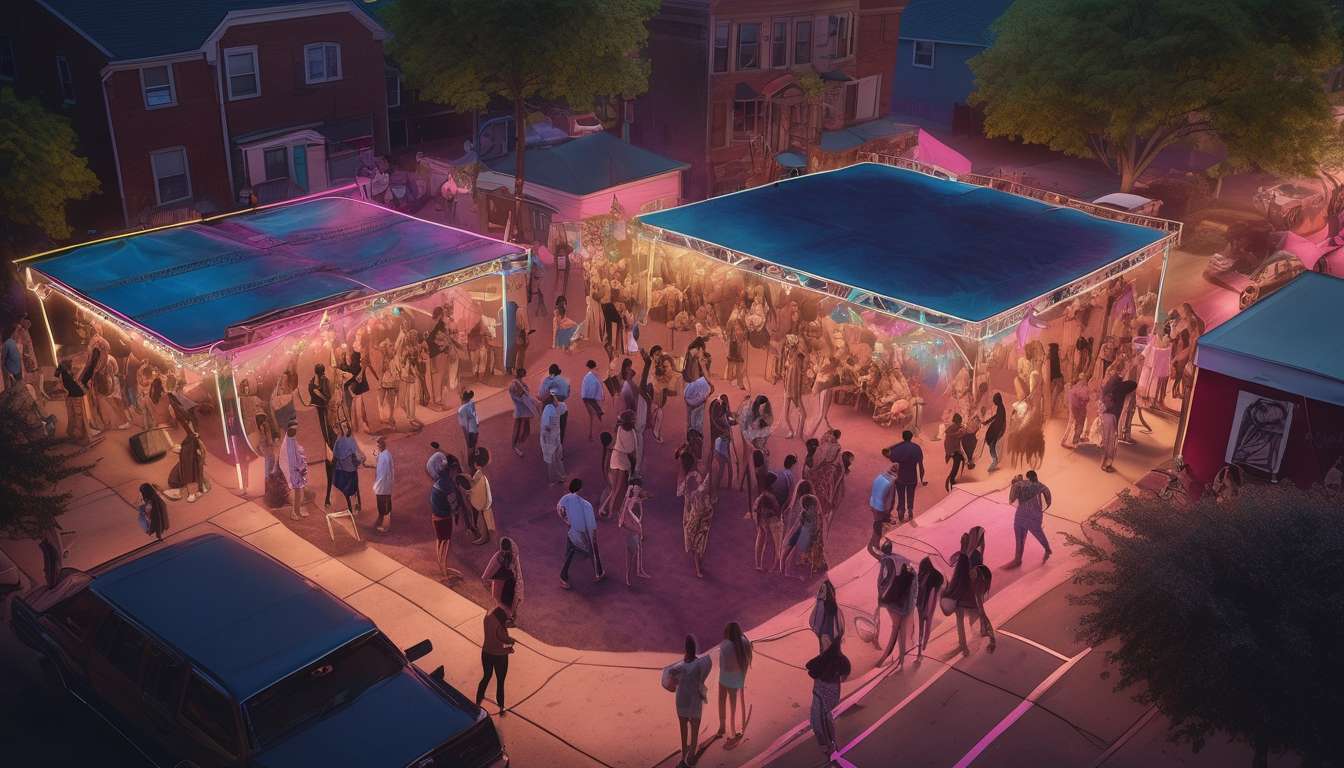
Keeping pace with shifting local ordinances and neighborhood expectations, we recognize how recent municipal debates and zoning reforms are reshaping where and how exotic dancing venues can operate.
As city councils revisit buffer zones, noise restrictions, and permit requirements, we find ourselves rethinking site selection, hours of operation, and community engagement strategies.
The surge in grassroots activism and digital neighborhood platforms means potential patrons and nearby residents can mobilize faster, influencing approvals and ongoing relations.
At the same time, economic trends and tourism patterns create opportunities for revitalization that intersect with concerns about safety, equity, and public perception.
We must therefore balance regulatory compliance with proactive outreach, designing venues that respond to community priorities while preserving artistic expression and worker protections.
This article explores how current events and policy shifts are driving venue planning decisions and offers practical approaches for fostering constructive community relations amid an evolving civic landscape.
Regulatory Landscape Overview
We’ll begin by mapping the local, state, and federal regulations that govern zoning, licensing, hours, and conduct at exotic dancing venues.
We’ll outline how zoning buffers are set to separate adult entertainment from schools, residential areas, and places of worship, and we’ll note variations in buffer distances and enforcement.
We’ll summarize licensing requirements, common operational hour limits, and conduct rules that typically aim to protect patrons and neighbors.
We’ll emphasize community engagement as a practical tool for groups seeking inclusion:
- Organized meetings — convene residents, business owners, and venue representatives to exchange information.
- Transparent plans — share proposed operations, safety measures, and neighborhood impacts in writing.
- Listening sessions — gather concerns and ideas, and demonstrate commitment to addressing them.
We’ll highlight worker safety provisions that regulators often require or recommend:
- Minimum staffing — requirements for security or managers on-site.
- Surveillance protocols — rules on camera placement and privacy protections.
- Clear incident-reporting procedures — lines of reporting for assaults, harassment, or other incidents.
By keeping the overview focused and actionable, we’ll create a shared foundation for later planning steps, ensuring every stakeholder’s concerns are acknowledged while staying grounded in the legal framework that shapes where and how venues can operate.
Zoning and Buffer Strategies
We’ll map local zoning categories and buffer-distance options to determine where an exotic dancing venue can legally operate and how close it can sit to schools, residences, and places of worship.
We’ll review municipal codes, overlay maps, and conditional-use requirements together so we all understand permissible locations and the intent behind zoning buffers.
We’ll prioritize clear communication with neighbors and local boards because community engagement helps us shape realistic siting that respects local sensibilities and creates shared ownership of outcomes.
In parallel, we’ll assess entrances, lighting, and staffing patterns to meet worker safety standards influenced by buffer placement; safe access routes and visibility depend on where the venue sits relative to surrounding uses.
When variances or special permits are needed, we’ll prepare focused presentations that explain mitigation measures and how operations will minimize impacts.
By aligning regulatory compliance with inclusive outreach and tangible safety measures, we’ll build trust, reduce opposition, and find sites that balance business viability with neighborhood comfort and performer wellbeing.
Noise and Hours Management
Noise-control standards and operating hours
We’ll develop clear noise-control standards and operating hours that balance neighborhood livability with the venue’s business needs.
- Set measurable decibel limits for internal and external sound.
- Require soundproofing where zoning buffers are thin.
- Schedule amplified entertainment to end at community-agreed times.
- Use staggered arrival and exit protocols to reduce street noise.
- Partner with nearby businesses to coordinate late-night flows.
Community engagement and transparency
We’ll maintain regular community engagement so residents, patrons, and staff feel respected and included.
- Hold periodic meetings or forums to review complaints and monitor outcomes.
- Publish transparent procedures for reporting disturbances and for timely follow-up.
- Share monitoring results and any planned changes with the community.
Worker safety and operational alignment
Worker safety will be central to hours-of-operation decisions and day-to-day practices.
- Align staff shifts, lighting, and secure egress with hours of operation to minimize risks arriving and leaving.
- Track incidents (safety, noise, and disturbances) and use that data to refine hours and controls.
- Implement staff training and protocols for de-escalation and safe crowd management.
Outcome
By combining technical standards, ongoing dialogue, and safety-focused practices, we’ll create an environment where the venue contributes positively to the neighborhood fabric.
Community Stakeholder Mapping
We will identify and map the residents, businesses, service providers, and civic groups whose interests and influence will shape planning and operations.
We chart proximity and power.
- Nearby neighbors and family-oriented organizations
- Adjacent retail and hospitality businesses
- Health and social service providers
- Neighborhood associations and local officials
We note land-use constraints and stakeholder concerns.
- Zoning buffers and land-use constraints affecting where operations can safely sit
- Stakeholders concerned about noise, safety, and daytime uses
We prioritize transparent community engagement that invites shared ownership and respects diverse voices.
- Document who may feel excluded and plan to bridge gaps
- Use inclusive outreach methods and accessible meeting formats
Worker safety is a cross-cutting priority, so we map labor and public-health stakeholders alongside patrons and residents.
- Labor organizations
- Public health entities
- Advocacy groups
For each stakeholder we record key attributes to create a living map that guides decision-making.
- Interests
- Potential objections
- Influence level
- Preferred communication channels
This mapping keeps us accountable, centers belonging, and ensures venue planning responds to real community needs without tokenism.
Outreach and Engagement Tactics
We will use targeted, accessible outreach tactics that meet stakeholders where they are and invite genuine two‑way dialogue.
- Schedule small‑group conversations in neighborhood centers.
- Host open houses near transit stops.
- Offer virtual sessions with clear translation and captioning.
We will share concise, jargon‑free materials that explain zoning buffers and how they shape site choices.
- Provide short fact sheets and diagrams that show constraints and options.
- Use plain language so residents can understand implications without technical background.
We will prioritize engagement methods that build trust and document input.
- Conduct listening sessions that record concerns.
- Run collaborative mapping exercises to visualize community priorities.
- Maintain feedback loops that show how input changes plans.
We will make participation accessible and welcoming.
- Schedule meetings at varied times and ensure childcare‑friendly options.
- Partner with familiar local organizations to host events so community members feel comfortable.
We will create confidential channels and explicitly address worker safety in planning discussions.
- Establish safe, confidential ways for dancers and staff to raise issues.
- Communicate how proposals consider worker safety (distinct from operational protections) to show respect for the whole community.
We will report back regularly, acknowledge trade‑offs, and adapt outreach based on who participates.
- Provide periodic updates summarizing feedback and resulting changes.
- Adjust tactics when certain groups are underrepresented to improve inclusivity.
Safety and Worker Protections
We’ll prioritize clear, enforceable policies and operational practices that protect dancers’ physical safety, privacy, and economic autonomy.
We’ll create protocols that center worker safety and dignity, including:
- Incident reporting procedures.
- Trained security staff.
- Private changing areas.
We’ll pair those measures with transparent communication so performers feel heard and supported.
We’ll collaborate with local stakeholders to align zoning buffers and operational hours with neighborhood needs while keeping safety measures non-stigmatizing.
Through ongoing community engagement, we’ll invite feedback from dancers, neighbors, and service providers to refine protections without compromising performers’ rights.
We’ll ensure access to health resources, confidential complaint channels, and fair scheduling practices that prevent coercion and exploitation.
We’ll document policies, train staff, and audit compliance regularly, sharing summary findings with the community to build trust.
By combining practical safeguards, respectful community dialogue, and accountability, we’ll create venues that prioritize worker safety and create a respectful, inclusive environment for dancers and neighbors alike.
Economic and Tourism Integration
Integrate exotic dancing venues into local economic and tourism plans by promoting responsible nightlife, coordinating with tourism boards, and tracking measurable benefits for nearby businesses and city revenues.
Position venues as part of a diverse entertainment ecosystem that respects zoning buffers and local character, ensuring residents feel included in planning.
Work with chambers of commerce and destination marketing organizations to create clear messaging that attracts visitors while honoring neighborhood needs.
Prioritize community engagement so everyone can shape how nightlife contributes to economic vitality.
- Regular forums will let neighbors, business owners, and workers speak and be heard.
Emphasize worker safety as central to sustainable tourism — safe, well-regulated workplaces make venues more attractive to patrons and reduce local conflicts.
Align licensing, marketing, and neighborhood plans to foster shared prosperity:
- Increase foot traffic.
- Support adjacent retailers.
- Create predictable revenue streams for the city.
Goal: Build a responsible, welcoming nighttime economy that benefits residents, workers, and visitors alike.
Monitoring and Adaptive Planning
We will set measurable indicators and regularly review them so policies for exotic dancing venues can adapt to changing economic, safety, and neighborhood conditions.
We will track key metrics to evaluate impacts and conflicts.
- Incident reports (police, security)
- Noise complaints
- Foot-traffic patterns
- Local business feedback
We will routinely meet with stakeholders to keep community engagement active, inclusive, and solution-focused.
- Residents
- Venue operators
- Advocacy groups
We will use data to pilot targeted interventions and then reassess outcomes.
- Adjust buffer distances
- Improve lighting
- Create clearer signage
We will prioritize worker safety and respond quickly when trends indicate risk.
- Monitor staff reports
- Assess access to secure exits
- Track availability of support services
We will publish concise, periodic updates so everyone feels informed and can weigh in.
By combining quantitative measures with continuous dialogue, we will refine rules together, ensuring venues contribute positively to the neighborhood while protecting people and preserving shared belonging.
How do nearby residents typically perceive the impact on property values after an exotic dancing venue opens?
Nearby residents often worry that an exotic dancing venue will lower local property values.
Perception vs. evidence: Research is mixed; some studies find little to no long-term impact on property values, while others note localized short-term effects. Perceptions — driven by concerns about crime, noise, and clientele — can matter as much as measurable changes.
Common concerns raised by residents:
- Increased traffic and parking pressure.
- More noise, especially during late hours.
- Changes in clientele or street activity that feel unfamiliar or less family-oriented.
- Worries about crime or loitering, whether founded or not.
Why perceptions can be powerful: People’s feelings about safety and neighborhood character influence demand for housing. Even if objective data show minimal impact, perceived decline can lead to stress, reduced social cohesion, or attempts to contest the business.
What residents typically want:
- Reassurance — clear information about expected impacts and any conditions imposed on the venue.
- Transparency — access to studies, zoning decisions, licensing conditions, and complaint procedures.
- Involvement in planning — meaningful opportunities to provide input, suggest mitigations (e.g., parking management, noise limits, security plans), and receive timely updates.
Effective steps for communities and officials:
- Require pre-opening impact assessments and share results publicly.
- Implement site-specific conditions (hours, sound limits, parking solutions).
- Establish a clear complaints/monitoring process with measurable follow-ups.
- Facilitate community meetings so residents can voice concerns and shape mitigation.
- Monitor property and neighborhood indicators over time and report findings.
Bottom line: While fear of property-value decline is common, evidence is inconsistent. Open communication, community involvement, and targeted mitigation measures reduce anxiety and increase trust in outcomes.
What insurance types and coverage limits are commonly recommended beyond basic liability for exotic dancing venues?
Recommended additional insurance for exotic dancing venues
Primary policies to add beyond basic liability
- Commercial property insurance — Protects the building and owned equipment from fire, vandalism, and other physical losses.
- Liquor liability — Covers claims arising from alcohol service (e.g., intoxicated patrons causing injury or property damage).
- Workers’ compensation — Pays medical and wage benefits for employees injured on the job and helps shield the business from related lawsuits.
Coverage tailored to the venue’s specific risks
- Assault and battery coverage — Helps cover claims and legal costs when patrons or employees are injured by intentional violent acts.
- Sexual misconduct endorsements — Extends liability protection for allegations involving misconduct; important given the nature of the business.
- Business interruption insurance — Compensates for lost income and ongoing expenses if the venue must close temporarily due to a covered property loss.
Additional protective layers
- Umbrella/excess liability — Raises overall liability limits above primary policies to protect against large jury awards or settlements.
- Equipment and contents coverage — Covers staging, sound and lighting equipment, furniture, and other business personal property.
- Cyber liability — Protects customer payment data and covers breach response, notification, and related liabilities.
- Employment practices liability (EPLI) — Covers claims such as discrimination, harassment, wrongful termination, and wage/hour disputes.
Why these matter
- Protect staff and patrons — Assault/battery, workers’ comp, and sexual misconduct endorsements address direct personal risks.
- Protect the business — Property, business interruption, and equipment coverage preserve assets and cash flow after physical loss.
- Manage liability exposure — Liquor liability, umbrella policies, cyber liability, and EPLI reduce the chance that one claim will financially cripple the business.
If you’d like, I can:
- Prioritize which coverages to buy first based on typical budget and risk levels.
- Provide sample policy limits and deductible ranges commonly used in the industry.
- Draft language to request quotes from brokers for these specific endorsements.
How can venue operators handle online reputation management and social media backlash from community groups?
We’ll address online reputation and social media backlash by listening, staying calm, and responding quickly with factual, respectful messages.
Designate a trained representative who speaks for the organization, ensuring consistent tone and accuracy.
Monitor mentions and correct misinformation transparently.
Engage supporters and share positive community contributions.
Offer private dialogue to concerned groups to de-escalate and resolve issues away from public channels.
Document incidents and escalate legal or platform actions if needed.
Review policies to prevent recurrence, updating procedures and training as required.
Build trust through consistency, empathy, and clear communication.
Conclusion
You’ll need to balance regulatory requirements, community concerns, and venue viability as you plan.
Use zoning, buffers, and hours to reduce impacts, and map stakeholders so you can engage neighbors, businesses, and advocacy groups early.
- Zoning, buffers, and hours — configure land-use rules, minimum distances, and operating times to minimize disruptions.
- Stakeholder mapping — identify residents, local businesses, community organizations, and advocacy groups for targeted engagement.
Prioritize safety and worker protections alongside noise controls, and highlight economic and tourism benefits to build support.
- Safety and worker protections — require staff training, emergency plans, and fair labor practices.
- Noise controls — set limits, require mitigation (e.g., sound barriers, orientation), and enforce compliance.
- Economic and tourism benefits — quantify job creation, visitor spending, and local business uplifts to make the case.
Keep monitoring outcomes and adapt policies and outreach as issues arise, ensuring sustainable, respectful integration into the community.
- Monitor impacts (noise, traffic, complaints, economic indicators).
- Adjust policies (zoning, hours, permit conditions) based on data.
- Update outreach (communication plans, community liaisons, regular meetings) to maintain trust and responsiveness.