
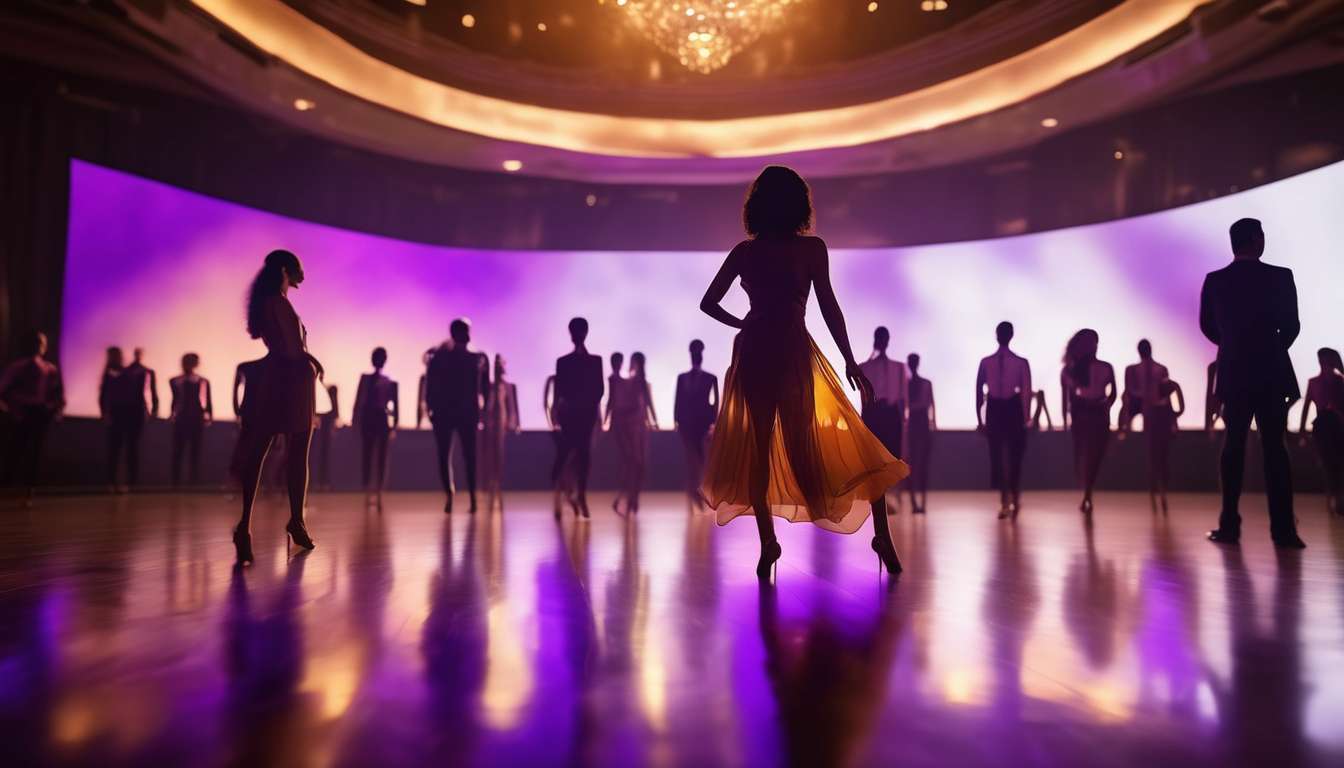
Inevitably we ask: what responsibilities do we owe to performers whose art is often reduced to stereotype?
As industry associations step forward to promote standards for exotic dancing, we find ourselves re-examining assumptions about safety, professionalism, and respect.
We recognize that these organizations are not merely rule-makers but advocates shaping working conditions, training, and public perception.
Together, we consider how standardized codes can reduce exploitation, provide consistent health and safety practices, and create pathways for career development.
We also confront tensions: who defines the standards, and how do we balance autonomy with protection?
In this article, we trace the rise of these associations, interrogate their policies, and amplify the voices of dancers and managers affected by them.
Our goal is to present a nuanced view that acknowledges both progress and pitfalls, so readers can understand how collective action within the industry might transform stigma into structure without diminishing artistic freedom.
Historical Emergence
We trace how industry groups coalesced in the mid-20th century to codify practices, protect performers, and respond to shifting legal and cultural pressures.
We recall venues where managers, performers, and advocates gathered to share concerns about dancehall safety and to push for clearer expectations.
We organized to create standards that addressed:
- physical risks,
- crowd management, and
- respectful workplace norms.
We recognized that clear rules help everyone feel secure and valued.
We supported early efforts toward performer certification so artists could demonstrate trained competence and negotiate from a position of collective strength.
Those credentials became a practical tool for recognizing skill and reducing exploitative practices.
Simultaneously, we mobilized around labor rights, advocating for:
- fair pay,
- predictable schedules, and
- avenues for dispute resolution that acknowledged the realities of the work.
By forming associations, we built networks that offered mutual aid, legal guidance, and a sense of belonging.
The overall lesson: when we act together, we can shape safer, more dignified working environments for performers.
Safety Protocols
Safety protocols and required training
We developed clear safety protocols that set out required training, incident reporting steps, and venue responsibilities to keep performers and patrons protected.
Practical measures for day-to-day safety
We center practical measures—regular hazard checks, clear crowd-control guidelines, and accessible reporting channels—so everyone knows what to expect and how to act.
Physical safety features
We emphasize dancehall safety as a shared value: well-lit stages, secure barriers when needed, and documented emergency procedures reduce risk and build trust.
Labor rights and reporting protections
We back these protocols with policies that respect labor rights and dignity, ensuring performers can report issues without retaliation and receive fair remedies.
Performer competency verification
While training specifics are addressed elsewhere, we require proof of performer certification where relevant to verify competencies for specialized acts.
Incident documentation and continuous improvement
We maintain incident logs, review cases collectively, and update protocols based on feedback from performers and staff.
Transparency and participation
By keeping procedures transparent and participatory, we create a safer, more inclusive scene where members feel supported, heard, and confident that their well-being is a collective priority.
Training and Certification
Standardized training and clear certification paths are essential so performers and staff can demonstrate core competencies, stay current with safety practices, and access consistent career development.
We build curricula that cover:
- Dancehall safety basics
- De-escalation techniques
- First aid
- Respectful customer interaction
These curricula ensure everyone feels supported and skilled.
Performer certification is designed to be transparent, portable, and skills-based rather than subjective.
- Measurable skill assessments
- Clear criteria and rubrics
- Transferable credentials that strengthen community trust
We run peer-led workshops and mentorship programs so newcomers connect with experienced colleagues and see tangible progression routes.
- Peer instruction and role modeling
- Structured mentorship with milestones
- Opportunities for peer assessment and reinforcement
We document competencies, renewal requirements, and appeals processes to keep pathways fair and inclusive.
- Public documentation of standards and re-certification timelines
- Clear renewal and continuing-education requirements
- Formal appeals and dispute-resolution mechanisms
We coordinate with venues and medical professionals to ensure training reflects real-world needs and reduces on-site incidents.
- Venue-specific risk assessments
- Collaboration with healthcare providers for realistic first-aid and post-incident procedures
- Joint drills and scenario-based training
We advocate for policies that align certification with industry-recognized protections, reinforcing belonging and professional identity.
- Alignment of certification with workplace protections and benefits
- Recognition by venue operators and industry bodies
We measure outcomes, solicit feedback, and update content regularly so certifications stay relevant and meaningful.
- Outcome tracking and incident-rate monitoring
- Regular feedback loops with participants and stakeholders
- Periodic curriculum revisions based on data and feedback
Labor Rights
We insist on fair wages, clear contracts, and enforceable workplace protections so performers and staff can work with dignity and security.
We build community standards that make labor rights tangible:
- Transparent pay scales
- Tips protections
- Predictable schedules
- Accessible grievance processes
We prioritize dancehall safety through venue protocols, incident reporting, and collaboration with security trained in respectful de-escalation.
We support performer certification as a pathway to recognized skills, safer job placements, and bargaining power — not as a gatekeeping tool.
We advocate for collective bargaining access and legal resources so independent contractors and employees alike can assert rights without isolation.
We create peer networks and mentorship that foster belonging while sharing best practices for contracts and dispute resolution.
We push associations to collect data on workplace incidents and compensation trends to guide policy and hold venues accountable.
By centering mutual support, clear standards, and practical protections, we ensure everyone in our community can thrive with respect and security.
Ethical Guidelines
We commit to clear ethical guidelines that protect dignity, consent, privacy, and equitable treatment for everyone who works in or visits our venues.
We outline practical standards that center mutual respect and create predictable, safe environments where people feel they belong.
We require dancehall safety protocols, including:
- Well-lit exits and accessible routes.
- Trained security and staff positioned to observe and intervene.
- Transparent incident reporting so concerns are addressed fairly and promptly.
We support performer certification that validates training in:
- Consent communication.
- First aid.
- De-escalation.
We keep certification accessible and non-punitive, so it empowers rather than excludes.
We reinforce labor rights by promoting:
- Fair booking practices.
- Transparent pay and timely payment.
- Anti-retaliation policies that empower workers to speak up without fear.
We protect privacy through:
- Data minimization.
- Confidential complaint processes.
We review guidelines collaboratively, inviting feedback from performers, managers, and community advocates to ensure standards remain relevant and inclusive.
We’ll measure compliance with clear metrics and support venues in practical implementation rather than punitive exclusion.
Public Perception
Goal: We’ll proactively shape public perception so venues are seen as respectful, regulated spaces rather than stigmatized ones.
Key messaging pillars
-
Professionalism and safety.
- Highlight performers’ professionalism, safety practices, and community contributions.
- Emphasize dancehall safety protocols and clear performer certification standards.
-
Labor rights and fair treatment.
- Frame messages around collective support for labor rights, fair pay, and transparent grievance procedures.
- Normalize informed consent and workplace safety in all communications.
Narratives and storytelling
- Real-member stories.
- Tell stories of members who advanced careers through training and peer mentorship.
- Use narratives that show people, not stereotypes, and that illustrate how certification and grievance processes protect performers.
Community engagement
- Open-door events and partnerships.
- Host open-door events to demystify practices.
- Partner with community organizations to demonstrate how safety and certification protect everyone.
Media and communications practice
- Consistent, nonjudgmental language.
- Use consistent, nonjudgmental language across media outreach and social channels to normalize fair pay, informed consent, and safety.
- Train spokespeople to answer questions about standards and labor rights calmly and directly to reduce fear and misinformation.
Desired outcomes
- Build trust and shared values.
- Center dignity and shared values to strengthen allies and encourage responsible patronage.
- Build a community where performers and venues coexist with broader public expectations.
Regulatory Challenges
We face a complex regulatory landscape where local ordinances, licensing requirements, and zoning restrictions often conflict with our standards for safety, fairness, and transparency.
We navigate overlapping rules that can undermine dancehall safety if regulations are inconsistent or enforced unevenly.
We advocate for clear performer certification processes that recognize training in:
- injury prevention
- de-escalation
- venue protocols
This ensures performers don’t have to choose between compliance and protection.
We press for labor rights protections that fit the realities of our work, including:
- predictable scheduling
- fair dispute resolution
- protections against retaliation
We share resources and model policy templates to help venues and municipalities align local codes with our standards, reducing confusion and costly legal battles.
We build coalitions with sympathetic regulators, labor advocates, and community groups so our voices are heard.
By coordinating, we strengthen enforcement that protects performers and patrons while preserving respectful, professional spaces for everyone who belongs in our community.
Future Directions
Priority focus areas: scalable training, data-driven advocacy, and expanded partnerships.
We’ll prioritize scalable training programs that professionalize the industry and solidify protections.
We’ll build accessible training modules that emphasize:
- de-escalation techniques,
- dancehall safety,
- trauma-informed practices.
Goal: every member feels seen and supported.
We will create a clear performer certification pathway that:
- validates skills,
- reduces stigma,
- creates portable credentials workers can trust.
We’ll coordinate research to strengthen labor rights campaigns.
Research efforts will:
- produce evidence that supports policy advocacy,
- translate findings into concrete policy proposals and model ordinances,
- be used to measure program effectiveness.
We will expand alliances with service providers and venue stakeholders.
Partnerships will include:
- health providers,
- legal clinics,
- venue owners.
Purpose: create wraparound supports, shared resources, and consistent standards across regions.
We’ll pilot mentorship networks that pair experienced performers with newcomers to foster:
- community building,
- shared learning,
- safer work environments.
We will measure outcomes, iterate, and scale what works.
Accountability commitments:
- Track key metrics and member feedback.
- Refine programs based on evidence.
- Scale proven approaches.
Overall principle: by centering collective care, professional recognition, and rights-based advocacy, we will achieve tangible, inclusive, and sustainable progress for everyone in our community.
What are the typical membership fees and financial benefits of joining an industry association for exotic dancers?
Typical membership fees
Membership fees usually range from modest annual dues — $25 to $200 — to tiered options with higher perks.
Common financial and practical benefits
- Discounts on training: Reduced rates for workshops, classes, and skill development that can increase earning potential.
- Legal and health services: Reduced-cost or subsidized legal consultations and health services (e.g., counseling, sexual health clinics).
- Group insurance: Access to group health, liability, or business insurance plans that are often cheaper than individual policies.
- Networking and referrals: Organized events and online directories that lead to more bookings and higher-paid work.
- Advocacy funding and resources: Financial support for campaigns or legal challenges that protect income streams and working conditions.
- Bulk-purchase savings: Discounts on supplies, costumes, and equipment that lower operating expenses.
- Community-strengthening benefits: Shared knowledge, mentorship, and cooperative ventures that help stabilize and enhance members’ earnings over time.
How do associations handle disputes between individual dancers and club owners or managers?
Mediation-first approach:
We mediate initially, offering confidential meetings and a clear grievance process so parties feel heard and safe.
Fact-finding and resolution options:
We gather facts, propose compromises, and, if necessary, escalate to arbitration or formal complaints.
Support services:
We provide legal referrals, template agreements, and training to prevent repeat issues.
Outcome goals:
Our aim is to build community trust and ensure fair, respectful workplaces for everyone.
Are there international or cross-border collaborations between associations, and how do standards vary globally?
Associations partner across borders to share best practices, safety protocols, and advocacy strategies.
We collaborate through networks, conferences, and joint campaigns to raise standards and protect performers.
There is wide regional variation in emphasis and approach:
- Some regions emphasize legal protections and licensing.
- Some regions prioritize training and workplace safety.
- Cultural norms in other regions shape conduct policies.
Our aim is to learn from one another to build inclusive, supportive, and consistent standards globally.
Conclusion
You’ve seen how industry associations rose to shape safety, training, labor rights, ethics, and public perception for exotic dancing.
By promoting clear protocols, certification, and advocacy, they’ve helped professionalize the field and protect performers.
You’ll still face regulatory and reputational hurdles, but these groups are steering progress—balancing performer autonomy, workplace safety, and community standards.
Moving forward, you’ll want to support evidence-based policies and inclusive practices that sustain dancers’ rights and wellbeing.
Recommended focal areas:
-
Evidence-based policies
- Collect and use data on safety incidents, health outcomes, and economic impacts.
- Base regulations and workplace rules on empirical findings rather than stigma.
-
Inclusive practices
- Ensure policies protect performers of all genders, identities, and immigration statuses.
- Provide accessible training and resources for diverse needs.
-
Certification and training
- Develop voluntary certification for safety, de-escalation, and health practices.
- Promote peer-led and community-informed training programs.
-
Advocacy and legal support
- Lobby for labor protections, anti-discrimination laws, and fair zoning/ licensing.
- Provide legal aid and know-your-rights resources for performers.
-
Public engagement and stigma reduction
- Launch public education campaigns that humanize performers and explain safety measures.
- Build partnerships with health providers, unions, and local communities.
Bottom line: Support organizations that prioritize measurable safety, performer autonomy, and inclusion—this balances professionalization with rights and wellbeing.