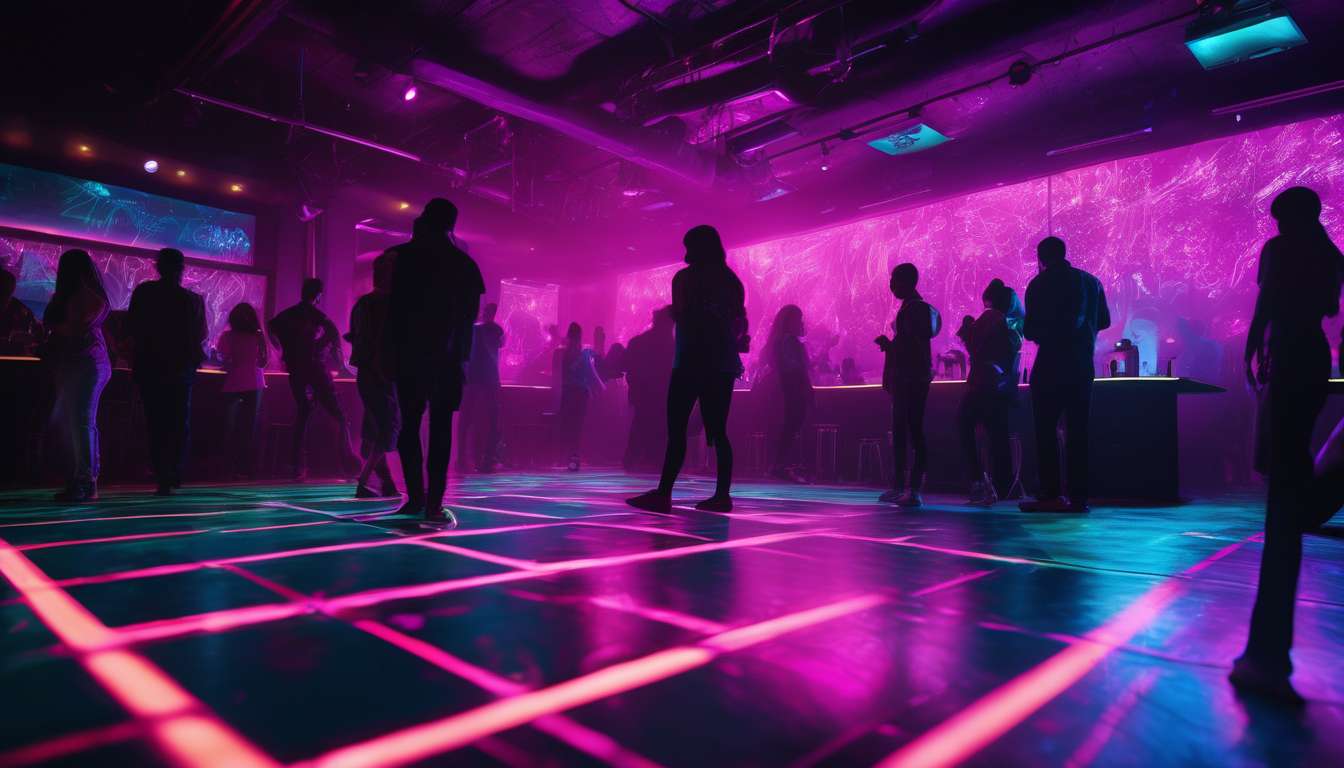

Close to midnight last Friday, we slipped into a downtown club expecting the same pulsing beat and familiar choreography we’d seen a hundred times.
The room felt different. Patrons clustered along new types of seating, menus featured tiered package pricing, and performers rotated shorter sets while interacting with data-driven lighting cues.
We watched managers consult tablets, tracking sales per song and mapping peak tipping minutes.
That evening became a microcosm of a larger shift the market data has been quietly signaling — a transformation in how exotic dancing businesses structure performances, monetize attention, and respond to customer behavior.
As analysts and frequent observers of nightlife economies, we began to parse the patterns: changes in revenue streams, evolving labor models, and the tech tools reshaping the floor.
This article unpacks the numbers behind those observations, connects them to operational decisions, and considers what they mean for dancers, owners, and the communities that orbit these venues.
Revenue Shifts
We’re seeing significant shifts in revenue as new customer segments and pricing models reshape where money flows in the exotic dancing market.
Revenue no longer follows a single pattern; it now reflects varied customer demographics and evolving expectations.
We’re adapting by tracking which segments spend on cover fees, private dances, or bottle service, and reallocating resources to match those behaviors.
We’re testing tiered pricing and bundled experiences that appeal to regulars, younger patrons, and mixed-gender groups, keeping offerings inclusive so people feel welcome.
We’re measuring how different performance formats influence time on site and per-visit spend without assuming one format fits all venues.
We’re sharing insights across teams to align staffing, marketing, and floor design with spending trends.
We’re committed to sustaining community among performers and patrons while optimizing revenue streams, and we’re making data-driven choices that balance profitability with respect for everyone who contributes to the club’s atmosphere.
Performance Formats
We’re evaluating which show styles — stage sets, interactive dances, and table-side performances — drive engagement and fit each venue’s vibe.
We gather data on customer demographics to see who’s showing up, when, and why, and we map those patterns to performance formats.
By doing that, we make everyone feel seen:
- Regulars who prefer routines.
- Newcomers drawn to intimacy.
- Groups chasing high-energy spectacle.
We connect format decisions to venue revenue while preserving the communal spirit that keeps patrons coming back.
That means testing mixed-night lineups and rotating performers, and introducing audience-involved segments so different groups can find a home here.
We share findings with staff and dancers and invite feedback to refine offerings.
Together we build adaptable show schedules that:
- Reflect our crowd.
- Respect performers’ artistry.
- Boost sustainable income.
- Nurture a welcoming scene for varied tastes.
Pricing Strategies
Goal: Test tiered pricing and dynamic cover charges to match value to demand, reward regulars, and increase per-night profitability without pricing out different guest segments.
Approach:
- Use market signals to set:
- Base covers (standard entry fees).
- Peak surcharges (higher rates for high-demand nights).
- Discounted tiers (reduced covers for targeted segments, e.g., early arrivals, off-peak nights, students or locals).
Offerings & clarity:
- Keep offerings simple and transparent so guests understand what they’re buying:
- Fixed table minimums stated up front.
- Timed specials (happy-hour covers or late-night discounts).
- Optional premium experiences priced separately (VIP seating, private dances, bottle service).
Segmentation & incentives:
- Test small-event bundles (entry + basic drink + reserved seating).
- Pilot loyalty credits or points to reward frequent visitors.
- Offer discounted tiers or packages to attract newcomers without diluting premium options.
Data & feedback loop:
- Track strip-club revenue alongside customer demographics and attendance patterns.
- Monitor preferred performance formats and which nights attract which segments.
- Use this data to fine-tune nights, promotions, and add-on experiences.
Guiding principles:
- Transparency: Communicate pricing, surcharges, and the rationale for changes openly to build trust.
- Flexibility: Make iterative, data-driven adjustments rather than large abrupt changes.
- Inclusivity: Design tiers and offers so various budgets and comfort levels are respected.
Expected outcomes:
- Stabilize weekly income with predictable base covers and targeted peak pricing.
- Increase per-night profitability via surcharges and premium add-ons.
- Deepen customer loyalty with credits and clear value propositions.
- Align offerings with evolving preferences across performance formats through continuous testing and communication.
Customer Segmentation
Goal: Segment customers by behavior and preferences to tailor pricing, promotions, and service levels to each group’s needs.
Key customer segments
- Loyal regulars: Drive steady revenue and frequent visits.
- Occasional visitors / event seekers: Come for special events or promotions.
- Tourists / novelty seekers: Visit for unique experiences and one-time visits.
- High-spend patrons: Prioritize private performance formats and premium service.
Segmentation variables
- Frequency of visits
- Average spend
- Preferred night(s)
- Preferred experience (general floor, private booths, VIP services)
- Price sensitivity
How we’ll use the segments
- Targeted offers: Create messages and promotions tailored to each profile.
-
- Loyal regulars: membership perks, priority seating, recurring discounts.
-
- Event seekers: timely promotions and event-based messaging.
-
- Tourists: package deals and clear information about unique experiences.
-
- High spenders: invitations to curated performance formats and concierge service.
-
- Operational decisions: Guide floor layout, staffing, and show formats based on prevalent segment needs.
- Pricing strategy: Adjust price tiers and bundles to match each segment’s sensitivity and willingness to pay.
Data and monitoring
- Blend demographics with behavioral data to refine profiles and offer personalization.
- Continuously monitor shifts in demographics and tastes and update segments and offers accordingly.
Expected outcomes
- Increase retention through recognition and tailored perks.
- Boost lifetime value with targeted upsells and membership programs.
- Ensure inclusivity and responsiveness so every patron feels recognized and welcomed.
Labor Models
Goal: Build a sustainable labor framework that balances staffing flexibility, performer income stability, and regulatory compliance to optimize service quality and cost.
Priorities
-
Inclusive teams and belonging. Ensure performers, managers, and support staff feel valued and connected to improve retention and customer experience.
-
Alignment with demand. Match schedules to customer demographics and peak nights to optimize coverage and revenue.
Employment models to compare
-
Employees (W-2 style).
- Predictable payroll and clearer compliance obligations.
- Potentially higher fixed labor cost but greater control over scheduling and training.
-
Independent contractors (1099 style).
- More flexibility and lower payroll tax burden for the venue.
- Higher legal risk around misclassification and less payroll predictability for performers.
-
Hybrid arrangements.
- Combine minimum-guarantee employment for core staff with contractor-style revenue shares for flexible performers.
- Balances venue incentives with performer income stability; requires careful legal design.
Compensation design
- Minimum guarantees + tips/revenue shares.
- Provide baseline income security for performers.
- Tie additional pay to specific performance formats or revenue metrics to incentivize programming variety and higher-quality shows.
Cross-training and role flexibility
- Cross-train bartenders and hosts.
- Smooth labor needs during shifts with fluctuating crowds.
- Reduces overtime and temporary staffing costs while maintaining service levels.
Metrics and transparency
-
Document and share key metrics with staff:
- Average per-shift earnings
- Turnover rates
- Compliance incidents
- Shift coverage vs. demand
-
Share metrics to build trust. Use transparent data to enable collective decision-making and to demonstrate fairness in scheduling and pay.
Regulatory and legal risk management
- Assess classification risk and payroll predictability.
- Prioritize compliance to avoid fines, back-pay liabilities, and reputational harm.
- Design contracts and pay structures with legal counsel to align with local labor laws.
Desired outcomes
-
Match staffing to demand while controlling cost and preserving service quality.
-
Support diverse performer careers by offering income stability plus upside for high-performing shows.
-
Maintain compliance and reduce legal risk through well-documented policies.
-
Enhance belonging and retention through inclusive practices and pay transparency, improving customer experience and long-term viability.
Technology Adoption
We will evaluate and adopt technologies that improve scheduling accuracy, payments transparency, compliance tracking, and performer-facing analytics while minimizing costs and privacy risks.
We will prioritize systems that tie roster management to real-time shifts so performers feel respected and included, knowing schedules are fair and predictable.
We will use anonymized customer demographics to tailor promotions without compromising identities, helping teams understand who’s coming and what performance formats resonate most.
We will adopt cashless and hybrid payment solutions that clarify club revenue flows for operators and performers alike, creating trust through transparent receipts and split reporting.
We will implement performer dashboards that show earnings, tips, and attendance trends so everyone can plan and grow together.
We will choose vendors who share our community values, offer clear data controls, and provide easy training so adoption is smooth.
We will phase technologies incrementally, measure impact on morale and margins, and iterate based on direct feedback from staff and performers to ensure tools serve people, not the other way around.
Regulatory Impacts
We’ll monitor local, state, and federal rule changes closely so we can adapt operations, staffing, and technology while protecting performers’ rights and club compliance.
We’ll review licensing, safety mandates, and zoning shifts together, so everyone feels included in decisions that affect livelihoods.
As regulations evolve, we’ll quantify impacts on strip club revenue and adjust pricing, promotions, and expense allocations transparently.
We’ll analyze how rule changes intersect with customer demographics to ensure our offerings stay relevant and welcoming to the community we serve.
That means revising training, access policies, and outreach to reflect legal requirements while maintaining a culture of respect.
We’ll also evaluate permitted performance formats and modify stage protocols, scheduling, and payment structures to comply without compromising artistic expression.
We’ll document changes, communicate timelines clearly, and solicit input from staff and performers so policy updates are practical and fair.
By staying proactive and cooperative with regulators, we’ll safeguard income streams, reduce disruptions, and preserve a sense of belonging among employees and patrons.
Community Effects
Goal: Assess how club operations and policy shifts affect neighbors, local businesses, and community perception so we can address concerns and amplify positive contributions.
Context: Changes in strip club revenue often ripple beyond owners’ ledgers, influencing nearby retail foot traffic, parking availability, and local hiring. By tracking customer demographics, we can tailor outreach and safety measures that respect residents’ expectations while making venues feel like responsible community members.
Areas of focus:
-
Operations and neighborhood impact.
- Hours & noise: Examine how evolving performance formats reshape hours, noise levels, and crowd composition.
- Zoning alignment: Work with zoning boards to align operations with neighborhood rhythms and local regulations.
- Parking & foot traffic: Monitor effects on parking availability and nearby retail foot traffic to identify friction points.
-
Business partnerships and coordination.
- Joint planning: Build partnerships with nearby businesses to coordinate transportation, peak-hour planning, and joint promotions.
- Shared benefits: Develop programs that share economic benefits with local merchants and reduce negative spillovers.
-
Community engagement & transparency.
- Reporting: Prioritize transparent communication by reporting community-impact metrics and responding to complaints promptly.
- Inclusive engagement: Engage neighbors, employees, and patrons inclusively to foster mutual understanding and reduce tensions.
- Safety measures: Use customer demographic tracking to tailor outreach and safety programs that respect residents’ expectations.
-
Policy & public perception.
- Responsible contribution: Encourage practices that allow venues to contribute tax revenue responsibly and participate in community initiatives.
- Perception management: Proactively address concerns to help exotic dancing venues coexist with local life and foster a sense of belonging rather than division.
Next steps (suggested):
- Conduct a baseline impact assessment of nearby clubs on parking, retail foot traffic, noise, and employment.
- Convene a stakeholder group (club owners, adjacent businesses, residents, zoning officials) to set shared objectives and communication protocols.
- Pilot coordinated measures (e.g., shuttle service, adjusted hours, joint promotions) and track agreed metrics.
- Publish quarterly community-impact reports and a complaints-response log to maintain transparency.
If you’d like, I can draft a stakeholder meeting agenda, a template for the impact-report metrics, or a sample outreach letter to neighbors. Which would help most next?
How has the pandemic affected the mental health and wellbeing of performers in exotic dancing businesses?
We’re seeing that the pandemic hit performers’ mental health hard: we’ve faced isolation, income loss, and anxiety about safety and stigma.
We’ve worried about housing and healthcare, coped with disrupted routines, and felt grief for lost community.
Yet we’ve also found resilience through peer support, mutual aid, and online spaces that kept connection alive.
We’re still healing and need ongoing resources, recognition, and collective care.
What environmental or sustainability practices (e.g., energy use, waste reduction) are exotic dancing venues adopting, if any?
Clubs are taking practical sustainability steps to reduce environmental impact and save costs.
Energy efficiency upgrades:
- We’re installing LED lighting.
- We’re upgrading HVAC systems for greater efficiency.
- We’re using programmable thermostats to optimize energy use.
Waste reduction measures:
- We’re switching to reusable or compostable serviceware.
- We’re improving recycling programs.
- We’re donating leftover food to reduce landfill waste.
Sourcing and assessments:
- We’re sourcing local supplies when possible to cut transport emissions and support local businesses.
- We’re conducting energy audits to identify further savings opportunities.
Community sharing:
- We’re sharing tips within our community to spread greener, cost-saving practices and encourage wider adoption.
How do exotic dancing businesses handle intellectual property issues, such as choreography, stage design, or proprietary music mixes?
We protect original creative work through contracts and agreements.
- We use performer agreements and contracts that clearly outline ownership and usage rights for choreography, stage design, and music mixes.
- We require nondisclosure agreements (NDAs) or confidentiality provisions when appropriate to prevent unauthorized sharing of proprietary routines or designs.
We license and credit musical and choreographic contributions properly.
- We ensure music is licensed for public performance and use in mixes.
- We credit choreographers and other creators according to the terms in contracts or licensing agreements.
We prevent and prohibit unauthorized recordings and distribution.
- Policies and venue rules expressly ban unauthorized recordings of performances and proprietary material.
- We enforce those rules through staff training, signage, and steps to remove or address unauthorized content when it appears online.
We resolve disputes through mediation or legal counsel, prioritizing fair outcomes.
- When conflicts arise over ownership or use, we first seek mediation or negotiation to reach a fair resolution.
- If necessary, we engage legal counsel to enforce agreements, seek remedies, or clarify rights.
We prioritize a respectful, inclusive creative workplace.
- We aim for fair compensation for creators and performers and transparent processes for assigning credit and rights.
- We cultivate an environment where contributors feel respected, valued, and safe to create.
If you’d like, I can:
- Draft sample clauses for performer agreements or NDAs tailored to exotic-dance businesses.
- Provide a short policy template banning recordings and outlining enforcement steps.
- Outline a simple mediation workflow or escalation process for IP disputes.
Which would you like next?
Conclusion
You’ve seen how revenue and performance formats are shifting, how pricing and customer segmentation are evolving, and how labor models, technology adoption, and regulation are reshaping operations.
You’ll need to adapt to dynamic market forces, embrace new payment and booking tech, rethink staffing and safety practices, and engage with local regulators and communities.
If you stay flexible and responsive to patrons’ and workers’ changing needs, you’ll be better positioned to thrive amid ongoing transformation.